Episode Transcript
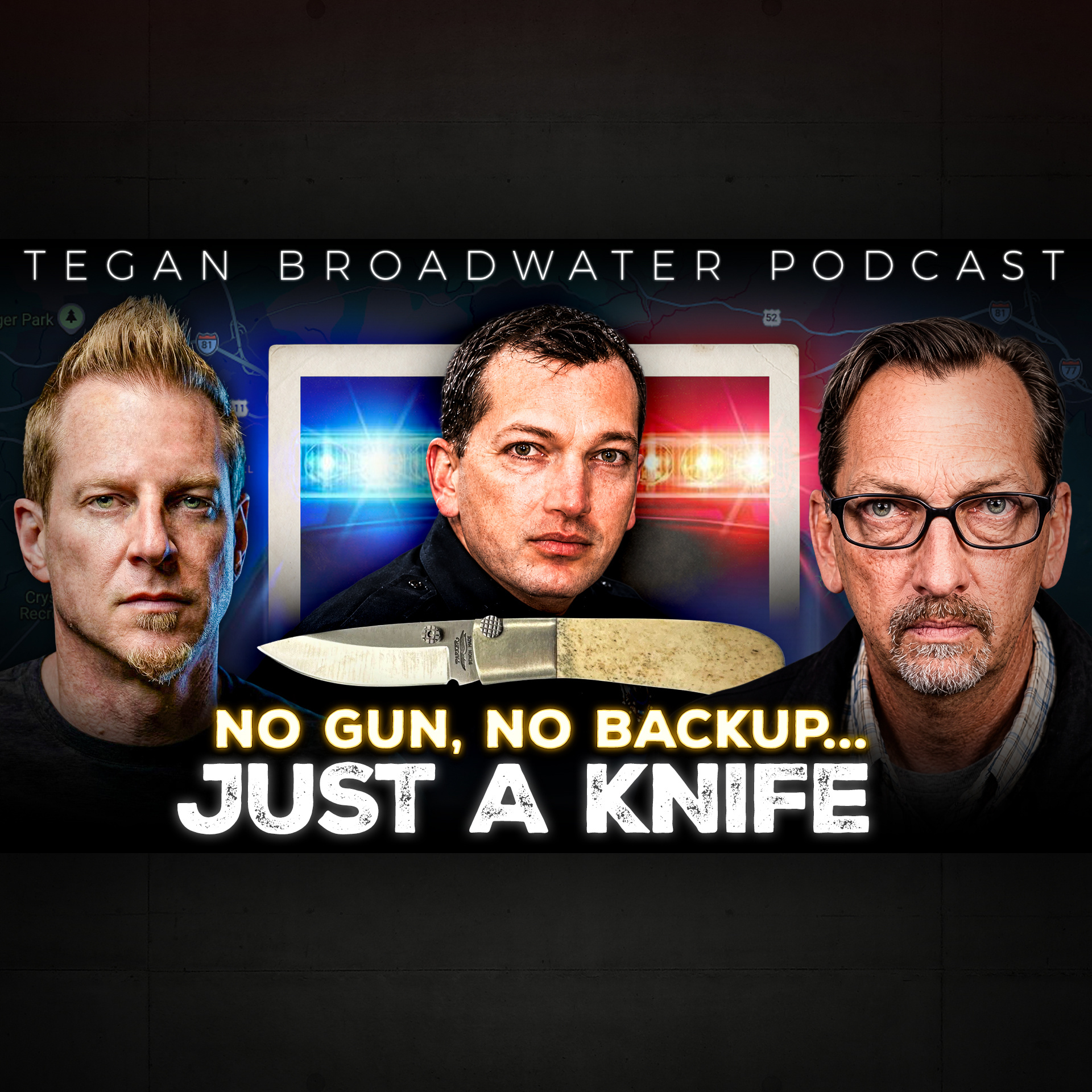
[00:00:00] Speaker A: We had 60 miles of interstate that ran through our county. I pulled over cars at 2am and there was no backup. I searched car. You know, stuff that they tell people, never do it. It is a wonder that somebody didn't kill me. But, you know, I tried to do it the best I could. You know, I've been shot at 20 sometimes, and I had like three or four people try to stab me in today's time. Those people would have been shot in a second. The craziest thing I would tell people is that I was never armed. I was only armed with my benchmade knife. I could qualify with whatever they had, a Sig. Or I'm like, I can't carry that gun. It looks like a cop gun. There's a lot of stereotypes, but there is some truth to it. You know, we do have people who have never left the county. Very backward, not very educated. You know, kind of a different lifestyle. I grew up in it. My family is seven generations now. And in the county that I live, you can't come off too anxious. If you come off too anxious, you're looking like a cop. It wasn't the adrenaline of fear. It was the adrenaline. Man, I'm pulling this off. I'm catching these people. It's almost like the thrill of victory to adrenaline.
[00:01:09] Speaker B: Every cop you've seen on TV had one second to respond, and yet we still feel like there's something else that should have been done.
My next guest took that same second. Knives pulled, shot at, and yet never returned to fire.
Hell, he worked undercover without his duty weapon. He just put his hands on people. Back when cops were allowed to put their hands on people.
I'm sure I'll get letters just for that last comment, but send them.
Jeff pike is my next guest. Let's get into it. The one thing I understand about you that I find truly advantageous is that every indication is that you are and were a hustler. And that's kind of an element of police work that's often missing. Where do you think you got that hustle from? Is it a natural thing?
[00:02:01] Speaker A: Maybe natural, but I think probably more so, you know, growing up in a law enforcement family, old school.
And someone's been a cop in my family since 1964. To present, my nephew just recently got promoted it in Rico County, Virginia. But my father, when he got out of Vietnam, began his police career when I was six months old. And I jokingly say that that's when my career started for me and my brother, who's 13 months younger than me. So we grew up in it. And it was in that era, it was like the family business, you know, the guys that sold insurance. His son usually did that. The guy that ran the funeral home, his son.
So it was kind of just, you know, we saw our father doing it, and that's what we wanted to do.
[00:02:50] Speaker B: And your father played like a big role, I suppose, too, since that was the closest generation that you were able to observe, too. But did he have any. And he's from. Sounds like a. A really old school tough guy kind of a Persona. Does he have. Did he bring any Vietnam stories or anything from the wartime that. That he brought forward into law enforcement? That taught you anything interesting?
[00:03:15] Speaker A: Well, not really. I mean, he was in the Air Force. He was. I'm not sure the title. He was a sergeant, and he was like a crew Chief on a C. 1/3, the big transport plane. So he was in charge of the cargo and. And offloading.
Probably the weirdest thing is that they got one of his planes he was on got shot up pretty good, and he caused some shrapnel in the chest.
And at the time he went to the medic and the medic said, oh, it's just a scratch. And they put a band aid on it. And like 40 years later, he's going through an exam and the guy's like, have you been shot? There's a piece of metal in your chest. My dad always jokes that I could have got the Purple Heart. I didn't even. They just put a band aid on me.
So, you know, we, we. We are from a very rural part of Appalachia, and, you know, he'd never been away from home ever. And then at age 18, you know, he's in Southeast Asia, so. But he never really dwelled on it. You know, he. He liked the travel and the adventure of. Of being in the military in that, you know, in. In his generation, you hardly ever left your own county where you grew up, so, you know, to go to these exotic locations, you know, I think that was mainly what he would speak of as being able to travel.
[00:04:33] Speaker B: Was he drafted or did he sign up?
[00:04:35] Speaker A: No, he enlisted. He enlisted, he enlisted. And like I said, six months after, I was actually born on Keesler Air Force Base in Biloxi as he was cycling out. And six months after that, he began his police career, which later on in life, he became an elected sheriff for our county and then later appointed as the United States Marshal for the Western District of Virginia. So he was appointed by President bush and served two terms. Bush one term Obama and retired at age 70.
[00:05:08] Speaker B: Well, he's got several.
You've got stories that following him around. You and your brother were acclimated early to law enforcement as well. Since law enforcement is such a big part of your family.
Tell me a little bit about some of the more extraordinary things that you experienced as a youngster that most people wouldn't understand.
[00:05:31] Speaker A: Well, and again, early on, I think we did what most kids of cops do. You know, we might have set a police car, you know, we might stop. You know, he'd be with him and he has to stop at the station and we go in. But when he became a sheriff and at that time, me and my brother, I was 13, my brother's 12, 13, 14ish. And we, he, we begged to go with him. We were in dispatch, we were in jail. And I say in the jail, we were doing shakedowns in the jail. It was old school dispatch where you wrote everything down. The dispatchers would go, hey Jeff, I can get a bathroom dispatch. Now this was a major department.
You know, there may be like six guys working, but still we could run tags on the computer and then we were just on traffic stops and we would be with our father and there would be. And he was a very hands on sheriff. If we're in the car with him and there was a murder or some kind of big event, he would take us and you know, we were going to serious scenes of fatality accidents.
We were, me and my brother went one time, it was a guy was using a chainsaw that hit himself in the neck.
And we were with my dad. We went to this guy's farm. The funeral home director came and they took their photos and everything. And the funeral home director said, you pike boys, grab a foot. It was just sort of like. And I grabbed a foot, my brother grabbed a foot, we put him in a body bag and we left and didn't think a thing about it. And you know, someone asked me one time about getting in trouble in school. He never got in trouble.
The only time I got called to the office was when my father had shot a man. And we were at school and the principal called me and my brother to the office to tell us that our father had shot and killed a man.
And we were like, can we get out of school? We want to go down to the sheriff's office. And he's like, no, you're going to go back to school your class. And we went back and, you know, nobody was crying or upset and, and the reason he brought us There is. He said, you know, I know how rumors get going. I just want you to know your dad's okay. But he kept saying, he's done killed a man. He killed a man. He killed a man. He kept saying it over and over, which was kind of weird to look back on it now, but we didn't
[00:07:52] Speaker B: think it's sort of an, it's sort of an old school approach to stuff. They were saying, hey, you know, pull, pull up by the bootstraps, you're going to stay in class, all that kind of stuff. And.
But that was, that was a reasonable thing to tell a kid. Did you.
Of those things you experienced what you know, you're talking about, you know, a grotesque accident scene and things like that. How much of that stuff do you have kids now? And if so, how much of that stuff would you in this newer generation expose your kids to early on anyway?
[00:08:24] Speaker A: I think with my children, of course, they're grown adults now, you know, I exposed them to, you know, the police car going into jail. In fact, my son was probably about 10 or 11 years old, and I actually had a bench trial cocaine deal that I. They had done. And I had to travel and my son was just, dad, can I go to court? Dad, can I go see it? And I took him and I said, look, you can't be waving at dad.
Got a set back here. And he was a very mature for his age.
And he said at the back of the courtroom and at the end of the trial, the judge even said, he said, officer park, is that your son? I said, yes, sir. I said, he wanted to come and see his dad.
And I believe in exposing him to, you know, what can happen if you make bad decisions. And he let my son get up on the bench and talk to him. But when we left the courtroom, our son goes, dad, did he really do it? I said, yes. What are you talking about? He's like, well, when they were taking him behind the courtroom after he was found guilty, he kept looking at his family saying, I didn't do it, I didn't do it.
He was convinced that there was a possibility to do it. I said, zeb, it was what you heard is what happened.
[00:09:45] Speaker B: And there's always that possibility, right? But I mean, you had worked that case firsthand, so you knew that's. That's an interesting perspective for a kid to learn too, is that, hey, bad guys are going to lie until they can't lie anymore, right? A lot of times, yeah.
[00:09:59] Speaker A: And my daughter, you know, they both been in jail and they Associated jail was.
It's stunk in the jail. And I said, look, if you do something bad, you know, this is where you can end up. And you know, knock on wood. My kids, you know, I've never been in trouble, you know, so, you know, it's just one of those things where maybe my influence and that exposure helped them get there. I don't know.
[00:10:26] Speaker B: So when it. So you knew early, early that you wanted to pursue law enforcement, I assume, right?
[00:10:32] Speaker A: Yes.
[00:10:33] Speaker B: So you're, you. You've been exposed to a lot of things, but still kids have these illusions of grandeur. So when you went into law enforcement for the first time, tell me about your assignment and what in.
Did you envision in terms of your. Your long term goal? How did you visualize yourself in police work? As an, as an.
[00:10:57] Speaker A: Yeah, I didn't really study on the long term about being promoted or that. So in my era it was so difficult to get a job. Like if you put in for the state police, there were two or 3,000 applicants, you know, so I put in for a lot of different things.
Prior to that, I was working as a claims investigator for a major insurance company. So I was kind of doing, you know, I was doing all their fatality accidents, any kind of large fire losses, I would investigate those.
[00:11:28] Speaker B: How do you qualify to take that job?
[00:11:30] Speaker A: Well, I started out with a very small company, independent company that did claims for people. And I got experience doing that with a very small company. And then I transitioned to Travelers Insurance Company and then later to Erie Insurance Company.
So my career does not have a lot of formal. You know, I don't have a PhD or master's. Mine's always been hands on, just sheer numbers of doing things. But getting back to your question, you know, I put in with all these different agencies and we go through the process, but there were just, God, so many people. The. They'd have like 10 openings and 3,000 people put in. So the first job that I got was a Virginia State game ward. There were 12 openings and there were 4,000 applicants.
And they ranked us and I was ranked number 12.
Of the 12 that was picked, I was at. The rest of them would make fun of me that I was number 12. And I was like, well shit, there's 3,088 people I beat. 880 eight people I beat. So. But that was my first job.
And when I went through. You go through a standard police academy. And then we had to go like another.
We had to go to. Sorry, I forgot to mute this. We had to go. We had to go through another, I think it was eight or nine weeks. It was specially training like boats, ATVs, specialized, the laws involving things we're also certified in, like hunter education instruction. We were general boat instructors by the time we came out of the academy. But I was assigned, when I got out, they assigned me to Fairfax county, which is the most metropolitan suburb of D.C. i work Fairfax, Arlington, Alexandria, and I'm like the hell 300 miles from where I live.
And it was just one of those things where I just, I was shocked. But what it gave me was, you know, I did do boating things and, and game related things, very limitedly. But I was in such a metro area. I was the guy that didn't get calls and I could slip around and I would get into all this general law enforcement or stuff just because I was out and about and I wasn't bouncing from call to call to call and I would listen to a scanner, I had a scanner in my car and I would listen to calls and to see what was going on and then I would go to them or catch people just out and about.
[00:14:11] Speaker B: And you had a legitimate peace officer license for that state. So you still have jurisdiction still, even though that's not necessarily where you're assigned is what you're saying, right?
[00:14:20] Speaker A: Yeah, exactly. You know, they. It was not like I was in a rural county where you would have more hunting. You know, boating season was more typical because we worked the Potomac river all the way up to D.C. occoquan River, Occoquan Bays. Big, big rivers in that area, a lot of water. But you know, you didn't have. There was no hunting allowed in those counties.
So you know, I found myself and I love to do just, you know, I was catching people DUI.
The first week I was there, I caught two armed robbers that robbed a 7 11. It was really by accident. I pulled up in a parking lot and I didn't have a radio. And the game wardens, the way they worked then we had a dispatch that only worked 9 to 5 and after 9 o' clock we had no dispatch. And so I didn't have a radio to this. It sounds crazy. I didn't have a radio to the state police. We had sirs channel which if you were lucky to get somebody to even listen to it. And I kept getting in these incidents and so the chief of Fairfax county called me in and said, Jeff, you're going to get killed up here. You know, because all we know is all of a sudden somebody's calling 911 and says there's a park ranger or some guy, we don't even know what the hell he is and he's got two people on the ground.
The state police captain called me in and he said, jeff, we're not supposed to do this. He gave me a radio and installed it in my car. And he said the same thing. He said, you're going to get killed up here because nobody knows where you're at, what you're doing. And then you get in these incidents and you know, I would rely. It sounds crazy. There were so many times that I would arrest people and I would go, hey, can somebody call 911 and tell them that game warden's down here and send somebody?
[00:16:09] Speaker B: That's ridiculous.
[00:16:10] Speaker A: Yeah, I mean it was crazy.
[00:16:11] Speaker B: So did they change any of. The. Change any of the policies long term for that reason?
[00:16:17] Speaker A: Yeah, now they do and, and see again back in the day, typically the game warden went through dispatch with the sheriff's office. The sheriff's office in those metro areas they don't really work patrol. They just handle the courtroom serving papers and things like that.
So it was a very different dynamic, but there was some confusion. Like one time I, I had went down to this park and I was coming out of it and there was this intoxicated Hispanic guy rolling a keg of beer down the road and it was a distribution place next door and so I knew he'd stole a keg of beer and so me and him kind of getting a scuffle and I handcuff him and there was some maintenance guys down there on the golf cart and I said hey, go call 91 1, tell em there's a game warden down here at the park and this guy's probably broke in somewhere and I need somebody to come check it out and you know, come down here.
[00:17:16] Speaker B: Well they went transport the guy.
[00:17:18] Speaker A: Yeah. So they went down and told the secretary, secretary calls Fairfax county and says there's a game warden down in the parking lot. And he said he needs some help. And that's what they told him.
So I'm standing there and I keep hearing sirens and I had flown another thing I got to do, I'd go to the air units and say, hey, can I hit you ride? And I'd fly with the air unit a couple times, you know, so they kind of knew me. Well, I hear all these sirens and all of a sudden the air Fairfax air one tree top. I mean I'm talking skimming the top of the trees, banks around and I think I'M waving at them like thinking they're just goofing on me.
The first guy gets there and they called whether their signal was the officer needed help and was heard.
[00:18:08] Speaker B: And it was all running code and license sirens over to you.
[00:18:11] Speaker A: And so that was one of the bigger incidents that it was A week later I had a county radio installed in my car.
I had all these other things and people were just shocked that I was. Didn't have this.
[00:18:25] Speaker B: There's a version of this that doesn't make it here. The part I only send to the mailing list community early before it goes anywhere else. Free links in the description for those who want to be on the inside.
So how. How were the other agencies? You know, a lot of times, quote unquote, cooperating agencies don't always cooperate. And they feel like, you know, you're stepping on toes or especially cops that want to go park under the shade tree and all of a sudden you're calling to come pick up an arrestee.
How was your relationship with some of those other agencies? Because you're. I mean, you're area there covered a whole lot of police agencies.
[00:19:05] Speaker A: I assume it did, you know, so it was interesting. The state police hated not all of them, but there was a. There was a rift between the state police in Fairfax county. And it started over. Somebody wrote somebody's wife a ticket or somebody wrote the other agency a ticket. So in Fairfax county, another reason almost got in trouble over this, you had. You could. The officers couldn't take their firearms in the courthouse, only one that I ever have known of. And they had liaison rooms and the state police sat separately in one room and the county sat separately in the other room. That's how big this rift was.
And.
But I just did my thing. I was there, I was excited to have a job. This is what I wanted to do. But they would send, you got a pay increase to go to Fairfax county by the state because the cost of living was so high. And a lot of the old troopers would go up there and work their last couple years to bump their retirement.
And I remember I caught one day and this old trooper was there and I said, I guess I'm the only guy that's being the game Ward. And I can go in either room and somebody doesn't kick my ass. This old trooper took his pen and he had his badge. He said, pike, you see this state trooper badge right here?
He said, it don't mean shit up here.
They were all laughing. But it was, you know, I just did my thing. I Met. I met some nice cops and friendly ones. And I met some real jerks. I mean. I mean, I met some real jerks. And my way of showing them was on Friday and Saturday nights when the magistrate's office was booked up. Jeff pike was in there, and people were like, who's this guy? You know, who is. Who is this guy? And I just did my job. And I felt like that if I showed them I was out a go getter. That you would earn respect.
[00:21:05] Speaker B: Yeah. And. And that is typically how you earn respect amongst other go getters or supervisors. But as you know, once you start looking at liability or making lazy cops look bad, you know, that can. That can become an issue. Was it ever something where he ended up getting sideways with people over some of the hustle you're putting out there?
[00:21:27] Speaker A: I wouldn't say sideways, but, you know, you would have. You know, I had one lieutenant that was a pretty. You know, he wanted people making arrest so he would use me and to the other ones to go, why is pike arresting, you know, four DUIs this weekend and y' all haven't rested four in a year. And so then I would get. Those guys would be pissed at me and wanted me to slow down. And I was like, I'm doing my thing.
And you know, but I never. I've had people say that I was lucky at catching people.
You're so. You're lucky. And I was like, no, I just work at it. And I try to be innovative at the approach to things, but I saw the laziness and the ones, you know, the clicks, you know, there would be clicks of the lazy ones, the loners, you know, so, you know, you've been in it. You know how that goes.
[00:22:21] Speaker B: Yeah, yeah, that's. There's. There's a lot of support and animosity at the same time.
[00:22:27] Speaker A: Sure.
[00:22:27] Speaker B: I totally get it. And we need more hustlers.
I'm curious about and I don't need. I'm sure we'll be jumping around your career a little bit here. We'll get to some of the undercover stuff down the road here. But I'm. I'm interested in small town law enforcement and the differences in things. What are the advantages and disadvantages of working in a small town where one, everybody knows you, but you also have a little more anonymity to go run and gun and do stuff? And then back in an era where being a cop because you want to chase bad guys and put them in jail, before that became politically incorrect to say, were there advantages and disadvantages now that you've seen both large scale police department work and small, will you talk about that, How a small town differentiates itself?
[00:23:22] Speaker A: Well, as a small town, a small town, you know everybody and that's a huge advantage. You know, where to in the city, it used to get me, you know, just to navigate and know your way around. And I've worked several, but many jurisdictions in Virginia. But when you get back closer to your home and small town, you know, everywhere, you know the spots, you know how to cut people off if there's a call and you, you know the way that somebody's most likely going to travel. You know, when you see people, you can ID them and you go, I know that's the meth dealer. I know that's the guy that's doing this or doing that or whatever.
And so it makes it a little bit easier.
You know, you have to work by yourself a lot. I mean, it's, it's very different than in the city. You know, backup can be, gosh, I've worked 400 square miles on a night shift by myself. And if they got somebody out of bed, you know, it may be an hour before somebody got to you. And so, But I never had any problems. I didn't, you know, I worked around cops that would hide on those and that kind of thing and stay at the dispatch. I still did my thing. You know, I had cops I worked with, we had 60 miles of interstate that ran through our county and I pulled over cars at 2am and there was no backup. I searched car, you know, stuff that they tell people, never do it. You know, I was, it is a wonder that somebody didn't kill me. But, you know, I searched cars by myself. I did drug interdiction, you know, two or three occupants, get them out. Now. I tried to do it the best I could and, you know, you just didn't have the resources and help that you would in a city.
[00:25:07] Speaker B: Yeah, what, what would you, how would you approach it differently knowing? I mean, obviously you're, you're not ignorant to the danger. And I, I, I, I felt myself experiencing a lot of this too. It's not like when you're shorthanded, you're going to work less. You just, you just want to go out and do your job. So if you have to get people out, is there something that you keep in your mind, anything tactically different that you do that you normally would do, knowing that you don't have backup coming?
[00:25:36] Speaker A: Well, I would try to, you know, Christopher got them out and I was Pretty good with, with the gab. Good with the gab. I, you know, my biggest loads I got with consent searches. So I was pretty good. I think I was pretty savvy about people up. I know it's not 100%. They let me pat them down. You know, I would try to get them to the front of the vehicle, not only for the traffic coming from behind, but where I could maybe keep an eye out. And the search is not, it's, it's harder to search when you're doing it by yourself and you got multiple occupants. If, if they would, if I felt like I could set them in the back of the cage, I would. But a lot of times, you know, you just having them stand out, I say, hey, step across the guardrail there, you know, pat them down ahead of time. But at some point you just got to kind of go, well this, there's a risk here and it's not going to be 100%.
And you know, you're walking up to a car at 2 in the morning with Texas tags on Florida, Virginia interstate and it's some kind of rough looking people and you're walking up that window.
I mean, you got to do it. I mean it's, it's, you know, I don't want to get nailed or shot, but you got to do it. That's part of the job, right?
[00:26:54] Speaker B: Part of the job is something that's underappreciated I think these days too, because again, you don't know until you know. So a lot of people now that are protesting, if you're asking them to get out or whatever, don't, don't understand the level of danger you're putting up with before you know what's going on. A lot of that is just an assessment that you're kind of running because you're trying to do your job by yourself.
[00:27:17] Speaker A: Sure.
[00:27:19] Speaker B: Now that it's been a while, there's no statute of limitations maybe, but I, I mean even as a kid you experienced, I wouldn't say shortcuts, but things that would not be considered legal. I mean, you're running a dispatch or you're on, you're running searches and pat downs and jail cells and stuff as a, as a kid who's not even old enough to drive yet. Where are there more of those types of things that you're able to get away with when you're in a smaller town, when kind of the rules are, I wouldn't say the rules are being disregarded, but they change the way they do police work. In different places a lot of times. And, and I know that, I know I'm not trying to put you over the line or, you know, make you say something completely embarrassing, but I think you know what I'm talking about where you can kind of get away with more in a small town than you would a big city, perhaps, or.
[00:28:11] Speaker A: No, I think because, you know, people and you know what's going on. I think back in the day, you know, I'll use my dad, for example, you know, he would tell people, you know, don't ever come back to my county again. You know, don't. Better not catch you or gosh, back in the day. Well, I'm trying to think of, you know, I think probably some of the biggest changes is pursuits.
You know, there was no calling the supervisor. It was, you know, but you better not crash your car. You know, and I had, I had some decent cars, you know, I had a caprice with the LT1. The chip cut it off at 1:38. And it was. You were running, buddy. It's like you're chasing them and there's no calling for permission.
There's none of that, you know. And I had back in the day with some really bad incidents. I called it sleeper hold. You can't do it anymore.
And you gotta know what you're doing with that. And it sounds, you know, in the times I've had to do that, you know, I was going toe to toe with the people out of their mind trying to kill you and fighting and grabbing guns and big guys and, you know, I'm six foot five in my prime, you know, I was an athletic tall guy, you know, 220 pounds. So I was a overly musk, you know, I wasn't the jacked up muscle guy.
But sometimes it gets so brutal that you have to resort to, you know, I'd rather physically be tough with someone than shoot them. And I've come close. I never had to shoot anybody. I've come close and I've been shot at. Some of the other podcasts I've done, you know, I've been shot at 20 sometimes and they all missed and it worked out and I had like three or four people try to stab me in today's time. Those people would have been shot in a second in my day.
[00:30:08] Speaker B: Yeah, let's talk. Yeah, talk about that a little bit because I think there's two sides to that. And I can appreciate it too. Having actually trained with knives before, it's, it's, it's not an easy thing to do. And it's a lot to expect.
Joe Police officer also to know how to defend themselves against a knife. That's asking a lot because we've seen what a knife can do.
[00:30:31] Speaker A: Sure.
[00:30:32] Speaker B: On the other hand, they're so quick to just shoot as soon as someone pulls a knife out.
What. Tell me one of the stories where the knife came out and how you managed to not just draw down and. And plug them.
[00:30:46] Speaker A: Well, a lot of times the people I dealt with with the knives were drunk and whatnot. And I pushed it, but I felt like I could get away with it. You know, I'd been around enough and done enough. I'm like, you know, I could push this, and. And before I pull the trigger, I wanted to go, you know, this is the. The definitely the last resort. So, you know, one of the.
I had one.
And this gentleman's passed away now. His name was Granville Scott. And he drank. And the family had gotten a emergency custody order.
And small town, the head of the mental health agency actually was in the car, wanted to ride with me to pick Granville up. So when I get there, his sister's in the yard and it's a custody order to take him in to be evaluated and maybe commit it for he was terrible alcoholic. And when I get there, there's a screen door, and as I walk up on the porch, he's got a knife.
And this guy had served time in prison for stabbing somebody. And he's sticking the knife through the screen. And again, small town, he's like, pike, I'm going to cut your guts out. And so I get up there and he's on the other side of the screen door, and he kept. I said, grammar. Cutting your own damn screen off. What the hell's wrong with you? You know you got to go with me. He's like, I'm going to cut you, Pike. He's sticking the knife through the screen. And then he put the knife to his side and he stuck his nose right to the screen and was saying something, cussing me or whatever, and that was my time, and I reared back and I punched him as hard as I could punch him, and then continued through the screen door. The knife went flying. We hit the floor at the couch. And of course, he's crying now. And I hooked him up. And I never forget he had a little Chihuahua.
And my head was level with the couch, and that Chihuahua walked over and licked me on the cheek. As I'm on him, cooking him up, and the sisters crying. You. You heard him. I was like, hell, I could have shot him. You know, if that had happened today, you would be riddled. I just.
I just pushed, I think, for me, before I pulled the trigger. And I've come close.
I just, I.
And I. Again, I don't think I was stupid about it.
I felt like I could get away with it. I felt like tactically he can't come through that screen quick enough to get me. You know, I just. I don't know. It's. And it's hard to describe. It's almost a judgment call at the time that you're there.
[00:33:20] Speaker B: Of course it is. Yeah. And I'm. And I'm. I'm certainly asking for the people that watch. You know, the vast majority of people watching this aren't police officers, so just understanding the conundrum.
And, you know, I used to run into lots of situations where guys would pull their firearms and kill somebody and talk about how it was justified, but it was difficult for me to Monday morning quarterback that. But, you know, I've been in those same types of situations where I. Where I opt to do something else, especially if you have somebody else coming and you can buy time or whatever. Your gift of gab, you know, probably saved a lot of other people besides yourself as well, you know, just buying time to get some help or talking them down. But it does. It does paint an interesting picture knowing that you could have killed them and been fine then or now, but you did not. And. And yet there's no real giant point on the credit for you, other than here, where I give you credit for.
For not doing so. It's admirable.
[00:34:28] Speaker A: Well, and I'll give you another example. You know, I was. I was. Did a traffic stop on the interstate one time. As I'm walking up to the car, there's a kid, he's like 18, and he's got some automatic. I can't remember what kind. And he's got his hand and he's racking it, and of course, I grab my gun, circle back around, and this is a good example of coming close to actually shooting somebody. I'm yelling, yelling, yelling, and then all of a sudden, he puts his hands up and I swoop around to the passenger side with him covered and reach in and grab the gun, drag him out through the passenger side. And I said, what the. You, dude, he's going to shoot me. He's like, no. He's a kid that thought that if the gun was loaded, that it was illegal and if it was unloaded, it wasn't. So instead of dropping the magazine and racking it. One time he was continually racking it to empty the gun.
And I said, and he was a college kid, no record.
And I said, if I had killed you, your mom and daddy would have accused me of whatever, this, that whatever, or thought you lost your mind and what the hell's going on?
And, you know, there's a version of
[00:35:43] Speaker B: this that doesn't make it here. The part I only send to the mailing list community early before it goes anywhere else. Free links in the description for those who want to be on the inside.
So one of my other associated questions I know we've been in and out of this is I don't think enough people appreciate the Appalachians. And, and I know you've had some interesting stories about folks that are from there that are different than the norm. Again, we've got a broad audience, whether they be from Europe or all over the US and tell me a little bit about maybe some anecdotal story about certain types of appellations that most people wouldn't, wouldn't think that these types of people exist.
[00:36:33] Speaker A: Well, there's a lot of, there's a lot of stereotypes, but there is a lot of some truth to it. You know, we do have people who have never left the county.
Very backward, not very educated, you know, kind of a different lifestyle. I grew up in it. My family is seven generations now. And in the county that I live.
And so, you know, you, you, you, you have, they have different ways about them. Very independent, the communication. If you're not from here, they can really be hard. You know, it's almost like their own little, hey, what are you doing? Are you doing up here? And you're like, huh? What'd you just say? You know, it can be very hard to understand people quirky, you know, and you and a lot of your criminals are generational. The same families, you know, I've arrested the grandfather, the son, the grandsons, the sisters, the wives.
Same families.
You know, my father used to say as sheriff, he said if I could magically remove about five families, it would eliminate about 50% of our crime. You know, and so, you know, and back in the day, not so much now because it's more legal. You know, you had the moonshine, the illegal marijuana grows and things like that. But there was like very, very sane people you would arrest.
And a lot of times they lived in terrible places. Dirty, didn't take baths, stunk. There's this one guy to rest all the time. They called him Dirty Dan. I don't know that he'd had a bath in his lifetime. I arrested he and his three. His two brothers that tried to attack me by myself. No backup. We all got in a fight, but thank God they were so drunk. I've arrested four brothers at the same time. Three brothers. I've arrested husband and wives at the same times.
I arrested a husband and wife on their wedding night by myself.
I've arrested sisters. I've taken four people to jail in my police car by myself. I've taken a lot of people to jail with no cage. When I was a game warden, you didn't have a cage, and there may be not anybody even available to help transport. And you set them in the front seat with you handcuffed, and if they got shitty, you just. You pressed them against the glass with your hand as you drove down the interstate.
[00:39:01] Speaker B: Yeah, that's pre computers, pre cell phones, all that kind of stuff. You just had the old school hold on to it. Right?
[00:39:08] Speaker A: Yeah. Well, the first. The first camera car that ever got. I love cameras. Had a VCR in the trunk, and I had to. When the tape. If. If you got into something and you wanted to capture whatever event happened, you would have to pull that tape and then transfer it to another one and then put a new tape in or rewind the tape and use the same tape over and over again.
[00:39:36] Speaker B: Yeah, yeah, I remember those, too. And half the time when you needed it, you figured out the tape hadn't been swapped out.
[00:39:44] Speaker A: Well. And then two, I had a big case where I called a guy. He had.
He had two kilos of coke and, like, ten pounds of weed.
And he had money and was. Federally. We charged him. And in court, the VHS tape that I had had been rerecorded over so many times that they had an expert that said that I had edited the tape and then called in the FBI expert on video and audio.
And the microphone I was using, I had bought at Radio Shack because the one that came with it, the cord had broken.
And the guy was found guilty. But in the judge's decision at the end, he said, I would suggest that the department supply the officers with better equipment in the future instead of them buying something from Radio Shack or using the same VHS tape over and over.
[00:40:37] Speaker B: Yeah, it was ridiculous.
Okay, so Appalachians. Yes. I would. I would be curious to know, of all the wonderful things you've accomplished, what is one of the biggest mistakes you've ever made on duty?
[00:40:54] Speaker A: Gosh. Biggest mistake.
Messing up paperwork. I know one time I did the wrong date on some paperwork and a dui got kicked. I mean, didn't really make a lot of horrendous.
Whatever. I never crashed a car.
You know, I didn't know I came close. And I was a motor, a motor officer too. I've, I've come really close as shit to wrecking cars bad. Never wrecked a car.
Never. All the other motor guys crashed bikes. I never crashed a bike. I never, you know, I pulled over some people that I thought their, their sticker or their tag was out. And when I walked up to the car, it was not.
And I told him, I was like, I'm sorry, the reason I was pulling you over was because of this or that. And I see this. It's, it's not, gosh, maybe being lied to and not.
[00:41:51] Speaker B: Nothing major.
[00:41:52] Speaker A: Yeah, no, I've never, never been written up. Believe it or not, I have never been written up. I've never, I just didn't, I didn't do all the stupid stuff, you know, I didn't screw around with chicks on duty. I didn't drink on duty.
I didn't, I didn't. If I had to beat somebody or get in a fight with somebody, I looked as bad as they did or. There was a lot of evidence that there was people saying Jeff was getting his ass handed to him and then he, he stepped up and cleaned the floor with them. You know, I just didn't do the major, you know. And then back then, you know, we had mag lights as batons. He pushed it too far.
You got hit. I mean, you got hit in the head. You got hit wherever you could hit them. And, and, and that didn't happen a lot. It didn't happen a lot. But, and I think society didn't screw with the cops as much as they do now by any length of the imagination. But you still had people that would fight you and whatnot. You didn't have people just come up and go, you know, fuck the police.
That didn't happen. If it did, it wasn't going to be good. You were going to go to jail.
[00:43:06] Speaker B: Yeah, that was. Yeah. Every decade you move backward, it get. It does get worse. I, you know, people used to try to antagonize cops all the time. And as we've, as we've all matured, as, as that industry has matured, it's become less of a thing. But I remember when that insult used to be a pop charge and they drum up something which obviously it's good that people don't drum up charges anymore.
[00:43:31] Speaker A: Sure. And I knew back, I mean, that happened. I Just didn't.
I just didn't. You know, I knew cops that were sketch, and I just didn't hang out with them. I didn't participate with them. And I was somewhat of a loner at times, and, you know, because some people I saw, I just didn't want to be around how they acted, mainly.
[00:43:54] Speaker B: Yeah, so you've got lazy cops, you've got overly aggressive cops, you have criminal cops, and then you have the hustlers. And in my experience, and. And perhaps this isn't your experience that she hadn't been written up much.
The guys that hustle and just try to do their job every day are the ones that tend to get in trouble more just because they garner more complaints and things like that. Did you find that to be true or did you have any issue with.
[00:44:25] Speaker A: I think, yeah, I think they would get in trouble.
I think the ones that got in trouble, I would describe them as being the dumb cops. You know, if you're going to be a hustler, you better know the law. You better know how to do it. You better know how to do your paperwork. You better, you better. You. You almost have to do it 10 times better so that some supervisor that's an idiot or some jealous person and you don't put yourself in a position to get in trouble. And that's generally in life. But you have to be super smart. And I catch a lot of grief sometimes on these podcasts. You know, there are some police officers that aren't very intelligent, and they do dumb stuff and they get themselves in trouble of their own doing and, you know, lie, cheat, steal, whatever.
And, you know, if you do it the right way, you know, there's been times where I, you know, I had a supervisor, they're like, jeff, they said, you cussed them? And I said, well, in that particular situation, I said, shut. Shut up. Whatever. I said.
And it calmed down. I didn't have to go hands on. It was resolved. And I would rather use a cuss word and kind of put that Persona of, well, they're not screwed with Jeff pike, because this. This guy's meaning business.
And, you know, I'm not beating somebody up or shooting somebody or they're not killing me. And I think common sense, and you just gotta use a lot of common sense when you're looking at those situations. And I think today it's become very micromanaged.
And you. You can't.
You know, I talked to deputy chief the other day, and he's like, jeff, you know, these young guys coming out, we have to micromanage them so bad that it's hard for them to even learn how to do it on their own.
[00:46:25] Speaker B: Yeah, yeah, you have to. You have to cut them loose and trust them a little bit. But then, you know, the liability these days is 10x what it used to be. Also because everybody's trying to find something wrong and everything.
[00:46:40] Speaker A: Sure.
[00:46:41] Speaker B: Tell me about when you started doing some undercover work. That was a decision that was you were invited to do some undercover work. As I understand it. If. If I'm wrong, correct me, but was there anything that they did to prepare you to go in and do undercover work, or were you invited to come over and do that because you were someone that they wouldn't recognize coming into their.
Well area of town or whatever, if you want to go through that.
[00:47:08] Speaker A: Yeah, it was a little bit of both. You know, not being recognized. And then again, early on, you know, when I was a teenager, we actually, me and my brother had went on some drug related arrest and undercover, like working stuff at the truck stops. You know, it wasn't. We didn't do it, but we were around when they would work, like prostitution or reverse drug sales at the major truck stops, and we'd be in the car and we would see it. But no, I had a guy that wanted someone. He was the chief and he knew of me, and he knew I was beginning to kind of be dissatisfied with being a game ward and it wasn't law enforcement enough for me. And so he said, I've got a grant opening for undercover.
And so I went and they sent me to narcotics investigation school. It was one week, and then undercover investigator school was another week. And it was mainly like the substance ID and things like that. It wasn't, you know, how to run the wire, how to it. It was not very good at explaining how to hang out with people and.
And, you know, how to pull it off. It didn't really go into any detail about how to actually do it.
So when I first started doing it, yeah, I was just doing dumb things. You know, too much money, showing too much money.
Just things that is evolved. But my. My success I will attribute to my look. You know, typically when I was working undercover, you know, I didn't eat as well. You know, I dropped some weight. You know, I kind of have a haggard look. You know, I watched a video not too long ago where this guy said, I can tell you a hundred percent how to spot an undercover cop. It's their dental, their teeth. Now look at your teeth digging. Look at mine. Mine are Crooked as shit. Because my brother threw a rock and hit my teeth when I was a kid. And so my teeth are crooked, and I just, you know, I mean, they're.
And I would take grease pen and. But, you know, I got the crooked teeth and the haggard look and, you know, the weirdo eyes, and then, you know, I had long hair, beard, and, you know, I look like shit. And I think I got away with so much that someone else might not have gotten away with because of my look. You know, I was like the character actor that always plays the. The bad guy. You know, I just look. Have that look.
[00:49:49] Speaker B: Yeah, I understand that. And. And how did you. How did you go about developing your.
Your characters or your backstory? Did you. Did you change much? Because I know sometimes people can tend to just go overboard and trying to create some kind of legend.
[00:50:07] Speaker A: Yeah, no, I never changed my first name.
It's too easy to get called at that. You know, I had the fake driver's license, the fake Social Security card, the wallet with, you know, crap I would pick up to stick in it to make it look legit. You know, I picked an area depending on where I worked. If I was in rural Appalachia, I'd been up in Fairfax for a while. Well, I had worked up there, and I knew the area.
If I was doing things up north in bigger cities, then I picked down this way is where I'm from, because I know something about it. You know, my stories.
A lot of people just didn't even ask. You know, the one that. That I always used used a lot if that was in the era where they were putting up cell phone towers. And I said, you know, I did cell phones tower signal testing, and people knew that they were getting towers, putting them up. And I said, yes. Sometimes I meet and try to find locations and talk to the people about putting a cell phone tower up, but it depended on who I was dealing with. You couldn't get really technical if you.
[00:51:14] Speaker B: If.
[00:51:15] Speaker A: If you came off too smart.
In some areas, it didn't work. But if you're in a city, it. It worked. It just depended on what. What you were dealing with. If I was dealing with the country people, I did one thing. If I was in the city, working in the inner city, I would do other things.
[00:51:34] Speaker B: I understand. Which is good. Keeping it close to the vest and, you know, not going out and. And even when you mentioned having IDs and all that kind of stuff, I mean, you know, I had all that stuff too. But then I thought, I mean, the only time I'm going to ever let anyone look at this stuff is if they've knocked me out and are searching my body, right?
Because I'm like you said, you have a backstory but a lot of times you're not going to share a bunch of that stuff anyway.
So. No, that just, that just always interested me how, how far you go when you're creating those legends.
[00:52:09] Speaker A: Well, probably the, the craziest thing I would tell people is that, you know, when I worked in the city of Lynchburg, which was a quite a large city, and I did like really undercover work there, I was never armed. I was only armed with my benchmade knife because I could qualify with the whatever they had a Sig or Smith. I don't know what they had but I'm like, I can't carry that gun. It looks like a cop gun. So I had a snub nose 38, I still have it. And I was like, this is what I like to carry. Well, you know how the range guys are. The range guys like nah, we, you can't, you're going to have to qualify with that. And I said a five shot 38. I said I'll give it a whirl.
And you had to qualify there shoot a 80ohm bug. And I was not a huge gun person, but I use this shoot between a 90 and 95 at the range.
So in the daytime qualification with the five shot 38, no speed loaders. And I said there's no way that I'm gonna pass at night. And at night I shot like a 72 or something. It's like a big explosion going off in my face.
And they said well you can't carry that. And I said well I can't carry that. I'm not going to carry that big that gun. And I was like fuck it, I just won't carry a gun. And I had a friend that was in the knives and martial arts and all that crazy stuff. So he showed me some tricks with a knife, you know how to stick certain places and do this. And so I did the majority of my work there and I was never armed. A lot of times I was never armed.
[00:53:46] Speaker B: There's a version of this that doesn't make it here. The part I only send to the mailing list community early before it goes anywhere else. Free links in the description for those who want to be on the inside. Did it change your approach to how you did the work knowing that you were armed with a knife only? I mean you only had kind of a crash course Right in knife fighting.
[00:54:06] Speaker A: So, yeah, I mean, this guy just told me, you can sink the whale, stick them here, do the J move if you want to, you know, cut across. It was. It wasn't even a, a training course. It was like, you can do this, this and this, and this is what it'll do to them. No, and, but again, it was such a different time in that, you know, I, I did what called freelance. You know, I had no cover team, there were no ops plans. You know, I went and bought drugs from this one crew.
And the next day, one of the guys called and he said, jeff, you're not down at John and Stella's. They just shot two guys and killed one of them. And I was like, no, I went down there today. It wasn't me. He's like, okay, just check. And we didn't know where you were working, what area you was working.
And you know, I would just do things and collect the recordings myself. A lot of times now at the end of it are really big cases. Then we would have, you know, more of a takedown teams and, you know, cover teams. Yeah. Go to the same crack house and, you know, build the case. And build the case. And then now I'm like, okay, we've got to this point with these people and we'd save them up and then, you know, we do a final, you know, something big. I'd set something up way bigger.
[00:55:23] Speaker B: Yeah. And so the equipment was crap back then too, right? I mean, even, even in my era, they, you know, would offer to stick the wire here and tape it to your chest like every dude in every movie ever did.
And that was what I elected to forego. I was like, I. I'm not going to do that. If they even check anywhere, that's exactly what they're going to look for. And it's so freaking obvious. Did you have any kind of recording equipment or anything of any level of sophistication that you used or did you often go non recorded?
[00:55:56] Speaker A: Well, what I would try to do is we had two options. So I had a pickup truck that was rigged. Really good, very covert. And so I would try to lure people to the truck for conversations, get them inside. Hey, let's go take a ride.
You know, I'd wore that. You know, the big thing about those old tiny wires had all the batteries and they would get hot and they would burn you. I mean, it would literally, it put a blister on you. Little micro recorders. You know, we did have that. Then it got to the point where technology I had a pager. You know, it was back in the day when you had a pager and I had a pager that would record, you know, I tried to get everything. I could document it. However, you know, technology is nothing what it is today. I mean, hell, I got ink. I've got in my office, ink pens that'll record, you know, and you can click them and write. Well,
[00:56:50] Speaker B: yeah, yeah, it's a different day. What was your.
What was your emergency escape when you were working either off the books or like, you set up? You know, when I had the experience of working where my sergeant or lieutenant had no idea or the FBI handler had no idea where I was and I was out, I always had some idea what I was going to do if everything went to hell.
What. What were your kind of backup plans at. At the worst possible times when you were really lone Ranger in it?
[00:57:22] Speaker A: I think probably just, you know, if I had to. Gosh. And I went in so many fortified houses. Like, even if there was a tag team waiting to get you, unless they had a bear, cat with a ram or something, they're not getting to you any. Any very quick at all, you know, And I kind of had gut feelings, you know, and I know it sounds stupid if something got a little sketch or I was somewhere and I just had a bad feeling, you know, I'd kind of go away. Which that also tended to lend itself as. You know, I would tell people that would later work undercover. You can't come off too anxious. If you come off too anxious, you're looking like a cop.
And so if. If I didn't feel about right something about something, I go, damn, I got a shit. You know, my stomach's hurting. I got. I'll see y' all in a little bit, you know, and then kind of think about things.
I just, you know, I. And again, as you know, it changes it. You know, you could be in a bar. I could be in a trailer. I could be in a fortified crack house. I could be. Hell, I've done a lot of deals in businesses. Walmart, parking lots, you know, stuff like that. Probably in rural Appalachia. The one thing was the roads. You know, some of these people live up in hollows, and the driveway looks like deer trail. And you're trying to maneuver your vehicle to get to them. I mean, it's not, you know, it. It was never the same, but I never had, like.
It just. It was so different. And I guess I would just had to assess it on the spot as to what I was going to do, fight somebody, stick somebod, just take off running. I don't know.
[00:59:08] Speaker B: It was. Yeah, you were just. You're on your own. And you just conceded that, like, whatever happens, happens. And fortunately, you didn't lose that.
[00:59:16] Speaker A: I got robbed one time, and that was probably the most sketch. But then the other drug dealers beat the guy that robbed it, robbed me and got my money back, and then sold me crack and then beat his ass.
[00:59:30] Speaker B: Because you had already established yourself as one of the. One of them.
[00:59:33] Speaker A: Yeah, exactly. They had a hanger on and he ran up and robbed me. And they saw it and they were like, hell, no, you're messing up our business. And so they chased him down and. And then beat his ass and then got my money. And then I was like, wait. And then I think then I used that same money and bought crack with.
[00:59:55] Speaker B: Speaking of relationships, talk up. Talk about how the relationships were between you and some of the bad guys and how much you ended up connecting with them on. On a different level, or was it just strictly business? I don't know how long you necessarily did some of these operations, but was there any. Anybody you actually grew fond of during your time?
[01:00:18] Speaker A: Yeah, I mean, there was people. You know, I went to the bars a lot, played pool, played darts, sang karaoke, you know, hung out with them.
And, you know, I think probably the ones I felt the most sorry for were the women involved in it. And, you know, I've got videos and recordings where women are selling me things. Cause they gotta buy shoes for their kids. And at least that was what they were saying, you know, but you gotta think, okay, the kids are living and their mom's dealing, you know, so you can't really feel that sorry for the lady for doing that.
You know, there were some people that were funny. There were some people that, you know. But at the end of the day, you know, there was really not anybody that, for me personally, I'd be like, wow, I really want to hang out with them. You know, they all seem to. And at least the ones I dealt with, they all had different personalities. But there was not anybody that I would say that I bonded with them. In the back of my mind, I looked at them as for what they were and what they were doing.
And, you know, I did what I had to do to win over their confidence.
And I just strictly looked at it as outweigh all.
[01:01:33] Speaker B: Yeah. So when you talk about whether you're mentoring other cops now or whatever. I've heard you mentioned before that the one key factor was controlling your adrenaline it wasn't necessarily fear, but it was an adrenaline rush. Obviously, there's adrenaline rush to work in undercover work or a lot of police work.
But what are some of the things that you did specifically for yourself? How did you personally keep your adrenaline under control when you were working?
[01:02:03] Speaker A: I think when I felt myself kind of getting, you know, in my mind, I feel like I'm kind of slipping it a little bit, and I don't want to show any nerves.
I just would do weird things like decide to make a face, a weird face, like, or, you know, scratch. But I would try to distract myself, if that makes sense. I. I would do something mentally and do it to distract myself, to maybe calm myself down, you know, or just
[01:02:33] Speaker B: kind of break the focus.
[01:02:35] Speaker A: Yeah, exactly. You know, I would maybe if I started feeling like my adrenaline is going too much and they're weighing something out, I'll be like, hey, what's that shit over on the wall there? Or I would, you know, I would just do maybe a little mental thing to kind of break it away from what was actually going on. And. But it was very slight.
You know, I just, again, I would get really caught up. It wasn't the adrenaline of fear. It was the adrenaline. Man, I'm pulling this off. I'm catching these people. I'm actually pulling this off. It's almost like the thrill of victory. The adrenaline.
[01:03:16] Speaker B: Yeah. And the pressure rises the longer you go, too, because then, you know, you've got a lot of work that's going to get blown if something screws up now. So you got a stacked pressure throughout each day, right?
[01:03:30] Speaker A: Sure.
[01:03:32] Speaker B: So lots of cops make the mistake of trying too hard. You kind of mentioned that they're kind of over the top. They're trying to get a deal done, and it makes it obvious they're a cop. A lot of cops also are stuck in cop speak. And, you know, I don't hear you speak that way, which is great because I always. My wife watches all these crime shows and every time. Talks up, every. Every time somebody mentions another individual, I'm just like, man, it's not how people talk. But is there you had mentioned some way about how you were able to change up your accent or distinguish yourself from the way cops would talk?
How did you develop that? Or was that instinctive? And what are some examples of maybe how you might change an accent?
[01:04:19] Speaker A: Well, I think it's. It's sort of instinctive, but I also think, and I find myself doing it today, like, if I'm talking to someone that's Maybe an attorney that's very precise. I find myself in the way I speak on, kind of try to mimic their level. And then when I'm with someone that's not as articulate, then I tend to dumb myself down. And I don't know if it's subconsciously you're just trying to fit in, but it would be the difference in saying yes or no. 9 doing that, yeah, we'll do this. Instead of saying, yes, I will do this. You know, and that's a kind of extreme way to put it. But there's a lot of little things you can do. Like, I reckon we can go on up in there instead of saying, hey, let's travel these roads and see. You know, you can just really, hey, Tegan, what you been doing? You know, you got anything happening right now? And instead of going, hey, Tegan, how was your day? Have you been doing okay today? You know, I found my brother the other week. He had bought an old cabin and he did 30 plus years as a cop.
And I said, who lived in this cabin? He said, I was told the occupants were 90 years old. I said, occupants? I was like, you sound like a cop.
[01:05:34] Speaker B: There you go, there's one.
[01:05:36] Speaker A: Yeah. He just looked at me like, huh? And so me and my brother, he's retired now, and I'm asking about this. I said, who lived in this cabin? He said, well, I was told the occupants were 90 years old and 95. And I was like, you sound like a cop describing a bol on somebody, right?
[01:05:55] Speaker B: Yeah. And it's hard for some of them to get out of that. I see people do the same in their writing. It was like, man, this is so square and it's, and it's unique only to cops. So did you ever struggle with anything like that, where you would just spit out some kind of cop slang or something that came out slipped?
[01:06:14] Speaker A: No, I tell you, the closest I think that I came to someone figuring out.
So if I went to the bar or whatever, I try to, I called them a prop.
And I always try to find maybe the most not attractive girl or somebody that you could kind of tag along with or kind of invite yourself around or, you know, buy my drink so that you didn't stick out like this creepy one guy by himself. So one night I went to karaoke and it was, it was a husband and wife and it was the wife's sister, and it was very limited seating. And I was kind of standing there and the, the guy said, hey man, you can sit here at our table if you Want to. And I was like, you know, that's my opportunity. I'm gonna fit right in. So I was like, man, I appreciate it. And I started sitting down, and these people were straight lays.
Nothing. I mean, they were regular, regular people. And I found myself in the conversation.
I was watching the room and doing whatever, but I found myself. I got lulled into. These are regular people. They're not my target.
And the one girl, as they were asking me some stuff, she said, you seem a lot smarter than what you're saying. That whatever I was talking about.
And she was picking up on that. That my appearance and. And me being there did not match how I was speaking to them. But I didn't look at them as drug dealers or somebody that I was interested in. And so I let it slip, and that girl picked up on it. And I was like, well, that's a good compliment, honey. And, you know, then I would. Then I went back to, you know, and then she's like, oh, yeah, he is a dumb ass.
[01:08:04] Speaker B: Oh, okay.
Yeah, that. That's very telling, too, because again, it's. It's kind of just a.
A human intuition that everybody has that if you're really not squared in with your Persona and what you're trying to. To put yourself out as people are going to notice. They may not be able to put their finger on it, but they're going to know for sure.
Tell me maybe one of. Before we move through some of this undercover work, tell me about your most memorable undercover experience and give me some details about, you know, for people who don't understand how it works, Even if you're on your own, talk about, you know, the. The step by step and. And what makes you remember it?
[01:08:46] Speaker A: Well, I mean, I know it's not a huge crime. I mean, a lot of people I worked with and the dynamics that occurred, and I'll tell you about either one. Now, you. You don't meet many male officers that have worked as a gay prostitute. Now, you'll meet plenty of women that worked the street corner posing as female prostitutes. But me, I actually posed as a gay male prostitute one time. That was very interesting. You know, probably the one time we hit. It was a house that was notorious for stolen things and drugs, and it was fortified. And they were trying to figure out how to pull this off. And I was like, hey, I've been buying dope there. I said, let me just take a U haul and I'll leave the back of the U Haul truck open and let me buy a couple of times. And Then when we were ready to hit the house, just throw the tac team in the back of the U Haul. And this was going to be a big raid. They had a hell of. They had a state police helicopter and all this stuff.
And so we're going to the house and I'm just driving down the country roads. I could hear people yelling. And of course there was no doorway to look back there.
And I pull up, people go running everywhere. The helicopters doing tight orbits and we hit the house.
So after it was all over with, half the tag team wanted to kick my ass because I'd slung him around in the back of the U Haul. And then the captain, it was a real macho guy, had decided he'd never been in a helicopter and he wanted to go up in the helicopter. Well, then when they landed, he'd gotten sick and puked in his shirt. And then they had a bunch of people that saw it and they had to be sworn to secrecy not to tell anybody that the captain had thrown up in the helicopter.
You know, there's a lot of silly things like that that would occur behind the scenes. When you see on TV and you get it's squared away tacting, it's is all precise. And then you find, you know, somebody fell in the ditch or, you know, whatever happened. That's silly.
[01:10:52] Speaker B: Yeah. Twisted their ankle on the curb. Just stepping out of the raid van half the time is something you got to watch out for.
Not to mention. Yeah, exactly two hours of paperwork to do after that. And that's the unglorious. But obviously I'm sure you've done your fair share of tons of paperwork.
[01:11:11] Speaker A: Oh, God, yeah. And this is back in the day before, you know, you could just insert the driver's license. You know, you wrote out everything. You wrote the ticket, you wrote. Everything was handwritten. There was nothing typed. There was. I don't know that I ever typed up anything. I think it was all handwritten.
[01:11:30] Speaker B: So back up because you glossed over it quickly. Since we're. Since we're on our last little storytelling venture here, tell me about the undercover experience. I guess you're working vice at the time where you were a male prostitute.
[01:11:43] Speaker A: Yeah.
[01:11:44] Speaker B: Exams. Memorable.
[01:11:46] Speaker A: Well, I had, I had, I had finished up my long term undercover and I had looked really terrible. And so they had this baseball field park area and they had these bath houses. And in the gay community or in that community, I don't label anything. I don't want to get jumped on. But there was a meeting place where these male prostitutes would go and their clients would come and they were using the bathroom. So they were having a little league game and two 10 or 12 year old kids walked in on some guys having sex.
And so the, the baseball moms obviously were terribly upset. And so the chief said, well, you got to clean this up and run these people off and make an example of a few people to get them to move on.
And so I went down there, you know, I didn't really know much about gay stuff. I went and bought a pink shirt and they were very easy.
And I've arrested a lot of female prostitutes and they're very savvy, they know the wording. They will, you know, cut the wording and it's hard to make a case. So when we went down, those guys were fairly easy. You know, they were pretty eager. And I had a partner, Stuart Mack, that's since passed away.
And Stuart was a black guy. And we would go down and Stuart carried, he was very dark. We wore shorts and I would put lotion on Stewart's arm and we would hang out and these guys just went crazy over it.
But they liked Stewart better than me. I was having to drop my prices down to like 15 bucks for oil. And Stuart was getting like $10 more than I was.
And we just busted a couple, three guys. But the, the one was this gentleman, you know, you have to have a discussion of the sex act and then a furtherance. So my furtherance was, you know, is it can be an exchange of money or you travel to a different place. What I saw them when they would hang up on me and they wouldn't do the money exchange. I would say, okay, go ahead and pull your pants down or whatever, let me see what's going on. And this guy wouldn't do it. You wouldn't do it. He was married and he was a produce manager from a grocery store. And so I was standing on the other side of the vehicle. He said, I'll show you mine if you show me yours. I was like, screw it, he ain't touching it. So I showed it and he and was on a wire and he said I had the most beautiful cock he'd ever seen in his life.
And I caused so much shit for that.
[01:14:26] Speaker B: For the next year, all your brother's
[01:14:29] Speaker A: listening from the rest of the cops.
And when they went to arrest him, he said he was having a heart attack, but he actually had a panic attack.
But I told the other cops, it's like hell, that guy's an expert. I'll take that as a Compliment all day long doesn't bother me. And, but the other cops, the other cops, they just, they went beside themselves. They were like, I can't believe you was doing that job. I can't believe you did this. And one of them calls my father and my dad calls and he sup. He's like, the hell kind of job are you doing down there showing your. Your penis out? And I was like, well, the guy hung up on me. I did what I had to do to. He's not touching it. I, I show it. And I said, you actually give me a pretty good compliment.
[01:15:16] Speaker B: It's one you got to take. It's hard for people to understand, but again, the premise was this kind of business could be left to themselves or if they're going to do it in public place where kids can see them, then that's the purpose behind the whole thing.
[01:15:32] Speaker A: Exactly. I tell people all the time, don't jump Jeff pike for saying this stuff or telling the stories. Nobody was picking on anybody. Nobody cares if anybody's gay. I don't care.
On the lot of the comments I get when I tell that story, there's that I was really gay and I really liked it. Say whatever you want, I don't care. It doesn't bother me. At the end of the day, I don't want somebody, I don't want my kids walking into a somewhere seeing anybody have sex. Young kids. And that was, that was why we were there. And that's now. And I told all the people we arrested, I was like, wow, you know, when he picked somebody's house or pick something less around kids than this. But that's what they chose to do.
[01:16:22] Speaker B: So how do you view now that you've, you know, you've had multiple, seems like multiple careers worth in law enforcement and then you still do private investigation work now and you've been doing that almost as long as you did cop work.
And having seen and spoken to law enforcement over the years, how would you compare the way law enforcement is perceived today versus how it was perceived back then and is it justified?
[01:16:52] Speaker A: I think, you know, if you stick with a rural community like where I live, back in the day, everybody knew the cops. There was not much turnover.
Now I couldn't tell you. I might could tell you the name of one or two cops even in a small area. I think that there's a perception that with the turnover that nobody really knows who's working there, where they live at or their area. No, I can say this from personal experience. I don't see A lot of effort.
A lot of times I tell people I don't even bother to call on a lot of things because I know the likelihood of somebody even showing up is slim to none. If they do show up, you might get a drive by. Nobody's pulling over vehicles. You know, they're totally reactive. There's nothing proactive about it now. And I think a lot. There's a lot of excuses made. I get people call all the time and they go, Jeff, we stop to the cops and they say there's nothing we can do about this.
And I think they just tell people whatever just to kind of get out of actually having to do their calls. And, and I see, I see the quality in the reviews. You know, right now I've got two homicides. I'm. I'm handling some other criminal cases, some drugs, a DUI case. And I read the reports, I watch the body cam and stuff of different cases.
And it just, it looks like they, the. There's not a lot of engagement with the people. The cops aren't.
They're very standoffish and very business like. And I think they don't find or get as much by their Persona. It's very blunt, to the point, quick digging ticket and it's out. And instead of, you know, looking beyond the ticket or treating people, you know, they're very, very abrupt with people, I think unnecessarily.
[01:19:02] Speaker B: So what do you think could fix. Because it. I see the same thing, by the way, and I. And it concerns me because I know there's still lots of great cops out there, but there's also a whole generation of new cops coming in. And again, I see laziness just infiltrating all over the place.
And only. That only perpetuates the mistrust from the public. So what do you, what would you do if they left it up to you to, to make the change? How would you, how would you gain the public's trust back in law enforcement?
[01:19:35] Speaker A: Well, I think it would. You would have to have a chief or sheriff that would look at it and just change the whole dynamic of the department.
You know, you're going to have to. And they do it now.
You know, the money is a huge issue with, you know, hiring people. You know, I did it. No, hell, I didn't really care. I actually took a pay cut from the insurance industry to become a police officer. And you're not going to find that happening very much.
You know, you would. I don't know. I don't know if it's too far gone. I don't know if today's generation has. Has lost the ability to communicate well because of texting and just the in general of how they grew up. And you may not agree with this at all because I know you have a military background.
Used to be military guys would come into law enforcement and they somewhat assimilated into the law enforcement culture. And then what I've noticed now is that law enforcement has changed to be more militaristic is than it was back in the day.
And, and I always say you can't patrol the streets of America like you would the streets of Baghdad or wherever. And so there's gotta be a happy medium there.
And I don't know that you can ever recover from it. I really don't.
[01:21:03] Speaker B: Yeah, I mean, I hope we do because I don't know what the alternative is, but I'm with you. What about hiring standards? There's a. There are a couple of things, one of which I've heard you talk about before I'd like to get your thoughts on, which is fitness standards.
Because that's one thing that I've also preached about is that that's one way that they're trying to get more candidates to choose from is to lower fitness standards. The other is they also lower the standards of requirement for either prior drug use or misdemeanor convictions.
You know, class A misdemeanors, whatever it is.
What are your thoughts on both of those? Do you think it's still possible that somebody might even be a better cop if when they were young they got into something criminal but turned their life around and have some social experience with the people that are in that industry? Or do you think lowering the standards is going to continue to make everything worse?
[01:22:05] Speaker A: Well, I think that the standards, you know, that I've seen working cases, you know, I did the catfish cop case where the guy it. It hinged on and he, he murdered an entire family and kidnapped a girl. And I got his polygraph. And you know, when I was hired, if you'd ever had a dui, if you'd ever smoke pot, if you'd ever written a bad check, if you had any financial issues, you know, you had to do physical agility, you had to take psychological exams. You know, back when I, I was hired, the only problem, or not a problem, but it, it was always kind of close was my vision. We had to have 20, 30 uncorrected, and I wore contacts and glasses my whole life. And that was the. You just didn't get hired now, you know, you get hired, you can have a DUI, like you said, and all that. The physical standards, I think are probably worse than the, the background or the, the moral or criminal history part of it. And that, you know, I see some people get sworn in and they put the pictures and these guys and even guys that are working now, they couldn't run.
They couldn't run 20ft. You know, they're obese, they look like shit. Their uniforms look like shit. I mean, you know, when I went to work, your brass had to be polished. You had to, you know, you were shaving, you. I mean, you just, there was some effort put into what your appearance was. And now I see, you know, it's somebody getting sworn in. And that's probably one of the most visual points of your career is you're being sworn in and you're 150 pounds overweight and you look like crap.
[01:23:55] Speaker B: Yeah, and a lot oftentimes gets worse from there. I mean, they're, the kids are made to go through all their fitness testing and the, you know, six, seven months of the academy running five miles a day, which is great. And then they get on the job and start putting that weight back on. If you're starting out at a bad place in the first place. And being, being overweight also encourages people to try things if they've, you know, everything's based on cost versus gain. Right. If, tell me if you agree. If, if you show up and you have that officer presence where you're capable, just by your presence, they're more likely to, to comply versus if they show up and you look like you couldn't run 30ft, then they're going to either run or try to fight you or whatever it is that they want to get away with.
[01:24:47] Speaker A: Yeah, I mean, you know, when I was in uniform, you know, uniform looks sharp, you look squared away.
You know, of course, I think I had an advantage of being taller, you know, at 6 foot 5, athletic build. You know, I was the guy that you probably like going, you know, that height, I think really is an advantage when you're dealing with people. It, it automatically mentally sets you apart that, you know, this guy, it would be a handful if I'm going to go, go, go to.
[01:25:19] Speaker B: Now, you've also worked in the jails, and we hadn't talked a lot about that, but you've spent a lot of time working in jails. What about prison or jail reform ideas? Because I've heard you talk about that too. Tell me about what you think is good and what you think is bad about the prison system and maybe any ideas that you have about how you would improve them?
[01:25:40] Speaker A: Well, I think in the jail system, you know, I've worked some. You know, again, if you think the standards for cops have been lowered, you look at correctional officers. No, they. I don't know, in the state of Virginia, I think they're down like five or six hundred officers. Statewide, you know, I don't know. I think that's one of the problems. And I don't know if you keep throwing money at it, it's going to really help because of all the jobs that are out there, you know, I know I wouldn't want to do it, didn't want to do it, hated doing it. And, you know, thank God I was. You know, that wasn't my career. But I don't know what would help.
I don't know. If you paid people a hundred thousand dollars, you could get enough people that would want to put up with that. I think too, I wonder if. Sometimes I wonder if the administrative or the people that run the prisons kind of forget about the.
The inmates hierarchy and how they work amongst themselves. And I don't know that if you couldn't discuss things with the shock collars or the whatevers and make give them some incentive to not be idiots. But, you know, you're going to have a lot of weirdos and mental problems and just career criminals. You may not ever be able to overcome that.
[01:27:07] Speaker B: Yeah, it's an interesting way. It's kind of a case by case basis where again, you're going to have to have somebody smart and capable to discern how to go to somebody like a shot collar and actually come up with something creative and legal that actually is effective as well. And it. I've. I've heard one of my guests, John kiriakou, talked about the fact that some of these prisons are in rural areas also that the hiring pool is minimized because you're. You're putting the prisons out in areas of population, of low population. So when you need to go hire 300 people and the population is 8,000, then that also makes it a difficult endeavor to pick top candidates. Do you agree with that?
[01:27:53] Speaker A: Yeah, exactly. And then a lot of people don't want to, you know, live in those rural areas, so they're not going to be willing to move there. You know, what I see a lot of the issues with our prisons here in rural appalachia is that you have people pulling time that are from the inner city and of a much different graphic than the rural white demographic here. And I think there's a culture clash there that contributes to a lot of the problems. You know, I've worked in and in all demographics. But, you know, when you have a certain culture in rural Appalachia and then you bring in the guys from the hood, there's going to obviously be some cultural clashes there just because of the different upbringings.
[01:28:45] Speaker B: Yeah. How do you, how would you change that? Would there be any, any. In an ideal world, obviously you'd want diversity just for the, the sake of, of having some kind of cultural alignment. Is there any, any expectation in terms of the types of people that they bring in to run those jails?
[01:29:06] Speaker A: I don't know. I just don't think that you're going to have the incentive for people to move. You know, you either. Most, 80, 90% of the people grew up here generationally. You know, I do have neighbors now because a lot of people want to move to the scenic mountains and it is kind of transforming. But a lot of the people that I know that have moved from New York, California, Jersey, and it's cheap, cheaper, it's very beautiful. You know, they, they will jokingly say to me that, you know, they're, they're considered an outsider, and even some of them that have lived here 10, 20 years, they're still considered an outsider because they weren't born and raised here.
Yeah.
[01:29:53] Speaker B: And that's cultural too. Like I said, everybody has their own culture. So it's, it's not racial as much as it is cultural. And if you don't have, don't have the understanding or any, any way to, to empathize or sympathize, then that's going to cause more issues.
So it sounds like we have a lot more problems than we have solutions right here so far.
[01:30:13] Speaker A: And I don't, you know, again, I don't know if some of them that just because of the way things have changed over the years. You know, I was talking to that deputy chief the other day and he was talking about this and that, and I said to him, I said, I think I could still pull it off on the street. And he said, jeff, you could. He said we would have to recognize though, you would be the type that doesn't, number one, need to be micromanaged. And you would go crazy from the micromanagement. And you know, you are oddity in today's new cops in that if we don't somewhat hold their hand, it seems to something goes wrong, somebody gets sued, somebody gets hurt, something, something happens. And he said, you know, back in the day, you didn't have to do it as much. Seemed like people kind of had a little bit more sense or common sense and just general life experience. And I think you're, I think the communication skills were much better because, you know, I wasn't texting all the time, I wasn't emailing. You know, you, you spoke to people face to face, you looked them in the eye and you had to verbally and physically communicate with people, which I think tends to lend itself to being able to do it much better than, you know, some 21 year old kid now that, you know, doesn't have that life experience.
[01:31:41] Speaker B: Yeah, that's, that's for sure. And there's, look, there are great advantages to modern policing tactics and technology and, and being more empathetic, wanting to get into the job for the right reasons. But I think you're right. That's, that's one of those old school things that needs to be kept in the game. Is there, is there anything else that you've noticed that is, I mean, even from your dad's era or anything from old school policing that you feel like is, is bygone but should, should stick or we should put back into modern policing?
[01:32:16] Speaker A: Well, I think what I've seen is like, instructors and I'm a general instructor with the Department of Criminal justice service here in Virginia. And, and I've made lesson plans and, and taught classes and all that stuff. And you know, I would see other instructors and I try not to be like them. They were very robotic. Didn't really, they, they, they were the, the technical things. They would teach. And when I would teach, you know, a lot of the students would go, Jeff, you kind of just tell us, I'll go, guys, I'm teaching this. Blah, blah, blah, teaching. I'm like, now here's what will get you in trouble if you do this. This is how I handle it. And also I would tell them, look, everybody handles this differently. You know, what I tell you is not a hundred percent. You have to develop this yourself.
You have to learn by doing it.
You can't be scared to make a decision.
And I think I would speak with them more from a practical way of what can cause you trouble, what will get you in trouble, how you should look at this, what are the ramifications of this? And not do it in this robotic.
Now, today's lesson plan is, hey, you must learn how to, you know, that kind of shit.
You're not teaching anybody anything.
[01:33:36] Speaker B: That's what you get though, when you Breed cops to teach other cops. And that's, that's ends up being kind of a cyclical thing that is kind of, kind of robotic in that way. But that's good. I mean, and, and you've, you've got to teach these kids too. At least you have the experience to, to tell some examples about how you would flash tons of money when that's actually just going to get you robbed. You have to know how much you're supposed to do. But the only way you found that out was by trying it and learning that that was wrong and then correcting your mistakes and moving on. And that's. I don't think people are given enough for that rope these days.
[01:34:13] Speaker A: Yeah. And I would tell things, like little things like.
And it's just, I tell the kid, I was telling those guys, it's like if you pull somebody out on the interstate and you write them a ticket, don't go flying by them down the road. Let them pull off, let them get away from you. Because if you go flying by them down the road, they're going to call in and make a complaint. And they look at me craz like, what are you talking about? I'm telling you right now, you do it. You wait and see. Let them go on. Let them get away from you. And they would go, Jeff, you tell us these simple little things of silliness. I was like, I'm going to tell you what it means, somebody calling in and complain about you. He just wrote me a ticket and he went hauling ass by me.
[01:34:55] Speaker B: Yeah. And then they'll follow you and realize that you were on your way to Denny's. That's a no go. Yeah.
[01:35:01] Speaker A: Yeah.
[01:35:03] Speaker B: Well, is there anything that we didn't cover that you really wanted to get out there? Anything that you're promoting or, or wanted to. Wanted to mention that I might have missed?
[01:35:11] Speaker A: I have a business. I'm pretty easy to find, easy to vet. Jeff Pike. You know, I do work, I do boots on the ground work in Virginia, West Virginia and there's some reciprocal states. I do data work. Expert witness. I'm an expert witness, qualified in three states. Tennessee, West Virginia and Virginia. But I do it, you know, to get qualified. There's a lot of luck. You have to be hired on the job. You have to, you know, obviously offer your reports and opinion and then each side fights over you whether you, you allowed or not. I just got an email today where it's in federal court and then the judge, then it has to make it to trial and the judge has to make the decision whether or not I'm qualified. So I'm qualified as an expert in homicide, police procedure, use of force, evidence collection, DUI, narcotics and car crash. And it's taken me 24 years to get that. It's, it's very, it's a lot of luck and, and opportunity to get to the point to get qualified. So. But no, I'm pretty easy to find if anybody's ever interested. And you know, I like doing the podcast in that I think that people get caught up in the big city or the New York or the whatever and you know, it's good to hear a perspective of maybe someone that's worked a dimmer, a different area and very. A broad experience. I mean, you know, to go from motor officer to game warden to undercover to, you know, beat cop to, you know, whatever. I've been very fortunate to have a lot of diversity.
[01:36:55] Speaker B: Yeah, and you're a good example. Like I said, it's your, you're a hustler. And you know, the, the cops that I still adore are all those guys too. They're constantly out trying to find stuff and, and similar to what, what you would run into, people would call them lucky because they're the, the, the shit magnets or whatever where they always find the car chase or the whatever that car right there that comes from just hustling.
[01:37:20] Speaker A: 137 kilos, 70 year old grandma stop in that photo right there.
[01:37:27] Speaker B: Yeah. You make your own luck though, right? I mean that's because you're out on the freeways making stops and noticing exactly little things that most average people wouldn't notice.
[01:37:38] Speaker A: Right, exactly. And you know, you have to look beyond the ticket, engage people in conversation. You gotta know how to treat people and talk to them the right way. And it works a lot. Sometimes it doesn't. Sometimes it does. But you know, I had a lot of success. Interdiction taught me a lot about conversations with people that taught me a lot about how to do things. And in that era there was a guy named Robbie Bishop that was murdered during a traffic stop and he was one of the biggest drug interdiction people out of Georgia. And I think he was working for Villarica Georgia at the time he was murdered.
Somewhat of a very well known police officer and came to our areas and trained and he helped me a lot with his videos and whatnot about conversations and what to look for. And it's learned, it's a learned thing. It's very hard to teach that.
Yeah.
[01:38:34] Speaker B: And unless you can just teach Them to again. Just have the balls to get out there and just experience it. Try to talk to people. And you're going to fail a bunch of times, right?
[01:38:44] Speaker A: Exactly.
[01:38:46] Speaker B: Well, I'm grateful that you came on. I feel like people can learn a lot from you and your experience. It's so broad and certainly I have learned stuff.
I think Hannah mentioned I was gonna send you a bottle of Blackland.
I'm also sorry that you can't be here to partake in it with me. You could have come up with all kinds of stories by the end of this. Maybe if we had done that, man, I will.
[01:39:11] Speaker A: I really do.
[01:39:13] Speaker B: Yeah.
[01:39:13] Speaker A: Yeah.
[01:39:13] Speaker B: Well, I'm. I'm grateful for your time. I know your time is valuable and if I were hiring you, you'd have been already run up eighteen hundred dollars worth of fees. So the least I can do is send you some good whiskey.
I'll be back in touch, man. If there's anything you ever need, you have my contact information now. And I will absolutely support you and. And push people toward following up with you with any investigative work or whatever, particularly in those states. But, you know, hopefully everybody's gotten. Gotten some education from this joint.
[01:39:46] Speaker A: What's it take? What you gonna do what you're gonna
[01:39:50] Speaker B: do Success around the sand Watch the second grade rules A confident faith to make you do to make you do what they want when they won't be
[01:40:04] Speaker A: the fool
[01:40:07] Speaker B: A diplomatic base is the one to see it through don't let
[01:40:13] Speaker A: those bigots take you off your game
[01:40:15] Speaker B: or just let him loose Just sit here in the front seat baby, ain't that sweet? Dig a little honey from the money
[01:40:23] Speaker A: be but don't pay the fool an
[01:40:28] Speaker B: apolitical magical potion A missing piece at the end of the game A slow roll See the truth in soul motion never found in 60 frames like.