Episode Transcript
[00:00:00] Speaker A: Then I transferred after that because I wanted to find Mr. Right, my eternal companion.
[00:00:07] Speaker B: And is this where you met your first husband?
[00:00:10] Speaker A: Well, well, my first husband I met at Michigan State University because there was an LDS apartment complex, so I was dating LDS boys, even though it wasn't an LDS school.
But he went on a mission, and when he was gone, I transferred out to Brigham Young. Even though I dated him once or twice, I didn't really know him at all.
So then I went on a mission. I went to BYU for three years, and then I went on a mission, and he would write me spiritual letters. So I got to know the spiritual side of this man that I ended up marrying. But I married him just three weeks after I got home from my mission without having dating, dated him for any period of time at all. I didn't really know him at all.
[00:01:07] Speaker B: Wild. And he ended up. Is this the CIA guy?
[00:01:10] Speaker A: Yeah.
[00:01:11] Speaker B: So how did he end up doing that? And how did that affect you even more? So I know that I'm just trying to kind of build a foundational.
[00:01:20] Speaker A: So he. The reason we had such a short engagement, our actual engagement was only 10 days, because he was going into the military and his church leaders were advising basically pressuring me to marry him. Even if I didn't love him, I would grow to love him. But he's going into basic training, and it would be better that I got married beforehand for all these reasons.
So ultimately I caved and I married him without loving him.
But I loved God. And it seemed like God was telling me, this is the guy.
So I did that.
And then in the military, he had to.
He was going to be a Russian linguist in intelligence, which back then was
[00:02:09] Speaker B: a big deal, too.
[00:02:10] Speaker A: Yeah. And it was. Yeah.
So he went to the Defense Language Institute in Monterey, California, and there was an extra seat in the class, so I asked if I could take the Russian course as well as a civilian, and they allowed me to.
And I just had a knack for it. And it put a lot of pressure on him because I was always studying because I wanted to be the top grades. And that was not his cup of tea. He just wanted to get by. And so I was really stressful trying to meet all the military people because I had something to prove.
[00:02:44] Speaker B: You're showing them up.
[00:02:45] Speaker A: You know, I was showing everybody up, actually. I mean, that sounds so horrible, but it was.
I mean, because I was a woman and I was so young and a civilian, I just felt like I needed to prove that it was the right decision that they allowed a Civilian to sit in on this class.
So that's. From there he went into the military. I mean, he continued his military career for about three or four more years. When he got out, he was well prepared to, you know, continue in intelligence, the intelligence field. And so he was accepted into the
[00:03:24] Speaker B: CIA, which back then, or even now, but especially back then, lent to a specific type of personality also. Do you think, looking back, did that have anything to do with the way that you viewed relationships? Was, was there any. And, and maybe he worked there for, I don't know how long while you were still together, but do you think that had anything to do with the way, since he obviously can't tell you what he's doing and all that kind of stuff, Was there any type of manipulative behavior at all leading up to that or during that period of time?
[00:04:01] Speaker A: No, he was not manipulative at all, but he was very duty bound.
Right. And he wasn't patient with the creative whirlwind that I am.
Right.
And so we had all these children, I'm doing all these arts and crafts projects. I've got things all over the house. And when he walked in the door, he wanted it spotless.
You know, think of a drill sergeant mentality this. So he did, you know, the military suited him in many ways while he was there. And I think that the CIA also suited him because there were a lot of rules and he was that kind of person, a very black and white task oriented person that knew this is the way things go. And I was just to comply. I do think that that might have contributed. Now that you say it to me, saying, you know, later in life when I meet this false prophet, to thinking, well, this is what women do. Women do what their men want them to do to keep their man happy.
[00:05:17] Speaker B: Right.
And because all of your. It sounds like a lot of your exploratory time was also as a, as an older teen or in your younger twenties without really any adult mentorship or anything either. So you're literally on a discovery path and just stumble across a couple of really interesting things that you don't know how to handle until you jump head first. Right?
[00:05:41] Speaker A: Well, that's so true. That's so insightful. Because when I was a teenager, I didn't do the rebellious things teenagers do. I didn't practice decision making.
I just wanted to be Mormon, lds, Mormon, same thing. And so I never experimented with drugs or alcohol or premarital sex or anything like that. I was very much a goody two shoes.
So then when I went into my marriage to this stalwart Mormon man, I remained, you know, very faithful.
Didn't explore the world, didn't test limits. I just followed the path.
[00:06:24] Speaker B: Interesting. And what was. What was one of the lessons? If you don't know off the top of your head, but I'd be curious, what is one of the more impactful lessons you would say you took from your childhood? In general, whether it's early on or
[00:06:37] Speaker A: later, the most impactful lesson was how important it was to be kind to people, because I was bullied as a young girl and then again in middle school, and the bullying was quite severe. And that made me have a compassion for the underdog. And I believe that that vulnerability led me to want to find a community, a religion where I would be accepted.
[00:07:08] Speaker B: That makes sense. And, you know, everybody kind of has that inclination, but especially in your teens, when you're trying to fit in anywhere anyway and find that community.
[00:07:16] Speaker A: Yeah.
[00:07:17] Speaker B: All right. I'm going to read something from somebody whom I admire who's kind of in the same general practice as you in terms of tactical language and psychology. So. And I just want you to tell me if this is true or not, because I found this fascinating. If you think that cult members are desperate or weak, then you're easier to recruit into a cult than you think.
[00:07:41] Speaker A: Perfectly said.
[00:07:43] Speaker B: Yeah.
[00:07:44] Speaker A: Because this is one of the big misconceptions, is that people join a cult because they have less intelligence when studies show they actually have more intelligence. That if they're brainwashed, that's because they have a weak mind. And when you think that you are above all that, then you.
You have a vulnerability that you don't
[00:08:07] Speaker B: even realize because you stop asking important questions, because you just assume it's not going to be.
[00:08:11] Speaker A: It will never happen to me. Right. And you're setting yourself up for a big surprise at some point.
[00:08:18] Speaker B: Fascinating.
I thought it was great.
[00:08:20] Speaker A: That's great.
[00:08:21] Speaker B: Because I think it's everyone else's tendency to just fall back on that thought and look at it more as kind of a circus instead of appreciate how easily this can happen to anyone.
[00:08:35] Speaker A: Yeah. You know, there's a term for it on how we judge people, especially.
It's especially easy to judge people who have come out of cults because the decisions, I mean, the victimization that they have is from a decision that they made.
So when there is a victimization that involved decision making, it's easy for us to sit in our chair of superiority and say, I would have never made that decision.
And so the term for it is the fundamental attribution error. And we blame the victim for being weak, having a weak personality, having less intelligence, something about their disposition, something about them is why we assume that they became a victim of this. It was their problem, their.
That way when we look at ourselves, we say, well, that would never happen to me because I don't have those things that he has or that she has. So we can in our minds feel safe. But the fundamental attribution error, it also takes place because we don't look at the external circumstances.
So what has happened in small steps or what is the pressure? What are the unseen influences that make this person ultimately make decisions that end up hurting them?
Those external circumstances are what could happen to anybody. We know the external circumstances when it has to do with us, but when it has to do with the other people, we say, hey, it's your fault because of who you are.
[00:10:15] Speaker B: Right. And this is where I'd love to get my audience to understand about you because you're an intelligent woman, you have studied all this stuff already and have also lived the experience. So I think just that counter opposition is fascinating, but I don't want people to go into it with that attitude. I'd like a more open minded approach when they learn how you kind of slipped into some of this and then miraculously have come out and about and around alive too.
[00:10:45] Speaker A: Yes.
[00:10:45] Speaker B: Which is miraculous also.
So that being said, I'd love to know the story behind how your LDS husband, following your first marriage, framed this courtship to where you were kind of taken in, if you don't mind going into that.
[00:11:03] Speaker A: No, sure. So my first husband, let me say I was married to him for 13 years and we had good times too, but it was just the wrong marriage and we're still friends and he comes over for Christmas and all kinds of things, but. So that was. He's a good guy now.
When I was divorced, I prayed about who I should marry, who is my real eternal husband. And I had this dream and the dream was so vivid that I told my friends about it and I even described what this man looked like.
And in the Mormon tradition, you can get revelation from dreams. Even Joseph Smith had, the founder of Mormonism allegedly had a dream vision where he saw things that were very important to the Mormon origin story.
So when I had a dream, I thought it was from God and I saw this person.
So I was looking for him at dances, like Mormon singles dances. I told my girlfriends, if you see somebody that looks like a cross between this and this, tell me, because that's my Husband.
You know, this is so illogical, but when you believe that revelation can come to you that way, or through signs in nature, coincidences that happen, if you believe that God is micromanaging every step of your life, then when you see these things happen, you think, God did that. God put me here, and that's. My brain was overzealous in that way. That's not a typical LDS person, I don't think. But I was really extreme.
[00:12:43] Speaker B: Well, it sounds logical too, that a lot of people kind of frame themselves or put themselves in a disposition where that type of courtship becomes easier because your guard is down, because you're actually actively seeking that opportunity, as opposed to allowing an opportunity to just occur.
[00:13:00] Speaker A: True. So. So I end up moving to Utah with my four children.
I had a children's television show in development and my partners were in Utah. So I go to my very first singles dance as a new Utah resident.
And lo and behold, I see the man from my dream.
And I couldn't believe it.
I thought, that's proof that it's not only proof that he's the one, but it's proof that there really is a God, because I dreamt it and there he manifest.
So it was like a confirmation that all my years of being faithful in the church, you know, it was like a personal revelation from God to me. There he was.
So we danced and then he took me to breakfast with some friends. And at some point I told him about this dream.
And little did I know that he was an ex Mormon, anti Mormon con man.
He was very good at what he did, and he played on my beliefs and he represented that he was the new Joseph Smith. See, Joseph Smith, the founder of Mormonism, translated gold plates and like, it was like a leaflet, like book, you know, not. Not plates you eat on, but like a tablets. And. And that's what made the Book of Mormon, which I loved and brought me a lot of happiness.
And when I believed in the Book of Mormon the first time, it was weird to everyone around me, but it ended up bringing me so much happiness that now I meet this guy who I think God has put in my life, and he says he is translating the next version of the Book of Mormon, which all Mormons believe is coming in the future. It's right in the Book of Mormon that in the last days, the rest of the Book of Mormon will be translated.
[00:15:19] Speaker B: So it's kind of prophetic. He's. Yeah, he's talking prophecy without being so direct.
[00:15:24] Speaker A: Oh, he was, yeah, but he was quite direct. He was the one prophesied about, you know, and because I had this dream, I thought, are you kidding me, God? You not only give me this.
This future husband, but he's a prophet.
And, you know, I didn't immediately fall for it. I did do some questioning and so on, but because I had that perfect storm coincidence of seeing him in my dream, it gave a lot of weight to something that, you know, I now know is irrational, but that's where my brain went.
[00:16:01] Speaker B: And had you seen him before at all, perhaps?
[00:16:06] Speaker A: Funny that you should ask.
So I didn't realize it at the time, but when I was in too deep, I believed in him. You know, he said that I had that dream about him because I was meant to be his wife and help meet.
So he said that in the biblical days, they used to marry just by consummating the marriage. That was their marriage ceremony. And he gave examples and. And in fundamental Mormonism, people believe that you can have a spiritual marriage. You don't need a legal marriage.
So he convinced me that this was the way that we were going to be together.
And I did question him, and I said, promise me you're not deceiving me just so you can sleep with me.
And he looked at me and he said, oh, how I wish I was deceiving you.
My life has been so difficult. It would have been so much easier if this was all a lie. But I promise you, my dear sister, not sister's just a religious term for woman, you know, involved in the work, you know. And he assured me he was telling me the truth.
[00:17:22] Speaker B: So get you to be empathetic on top of all the rest of the.
[00:17:25] Speaker A: Oh, yeah, yeah. So he did that, and I slept with him. Now, I thought, okay, he's my husband.
I didn't want him to not be a prophet because that would have meant he didn't have the power to seal us together. And Mormons don't believe in sex outside of marriage. And that would have been big, eternal trouble for me. So my brain immediately started not wanting to see red flags, justifying things, right? Because I didn't want to believe that I just committed the sin that Mormons believe is second only to murder, which was having sexual relations with somebody that's not your husband. I couldn't even bear that. So I was believing him, ignoring red flags. And you asked had I seen him before?
Well, it turns out he went to the Defense Language Institute in Monterey, California, in the Russian program.
Not at the exact same time, but it was overlapping in the time period that we were there.
And when I prayed about who to marry, for some reason, my brain manifest him, but I remembered him because he would gaze without breaking eye contact.
And that's what he did also at the dance.
And now I know that's a predatory gaze.
And I didn't put two and two together. I just thought I recognized him from my dream.
And I just gave all the credit to God.
[00:19:14] Speaker B: Yeah.
So in a fleeting moment, you'd seen him to where your brain could have compartmentalized it and then spit it forth. And of course, this is pre doctorate in all of this stuff, too. So you're just learning, flying by the seat of your pants. And now you've kind of established an identity in yourself, so it's more difficult now. You're even looking harder for puzzle pieces that fit in the wrong places, because now your entire identity is counting on yourself having made the right decisions. I'm getting from.
That's wild. So how did he. How did he end up taking you to the nth degree? Tell me a little bit about your experiences and how bad it got and then perhaps how we ended up getting out of that situation. Both of which are interesting stories.
[00:20:02] Speaker A: He.
I wanted to use the money that I made through my children's television program and through this line of children's characters. My plan was to make this business really work. And it was just at the investment stages at that point. But he said he thought I would be the richest woman in America, but he knew that my heart was for God and I would dedicate all that wealth to help the poor and needy.
I did have a heart to help the poor and needy, but I already told him I was looking for charity to funnel these funds into to help single mothers, because I was a single mother and I knew what it was like to not have money and how painful that was. So he spent some time asking me a lot of questions about myself during our short dating process.
And I interpreted it as, he's so interested in me.
It's nice when you're dating to have a man ask a woman a lot of questions about herself. Right. Rather than just be showboating what's great about him.
So what I didn't realize is that he was searching for my weaknesses and my vulnerabilities and what he could use to manipulate me.
So, you know, so what I know now, I wish I. I would have known then, but that's how it goes.
[00:21:39] Speaker B: So he managed to manipulate you, but that wasn't as hard.
But to what degree did he do so, I mean, what Were you. What were you ultimately forced to do? Obviously, you have a character that's being kind of buried in all this, right? So he's taken advantage, and you're, You're. You're living through this experience. Tell me a little bit more, if you don't mind, about kind of what you experienced to hit the bottom before you were able to.
[00:22:06] Speaker A: Okay. So he put me through tests, and the reason I was open to passing these tests is because of these other things he did.
You know, he had these forged scriptures that seemed as reasonable as the real Book of Mormon to me. It sounded very similar. He wanted to help the poor and needy, just like Jesus. He said he didn't own anything but his carpenter's tools. Just like Jesus, he wore. He had long hair and sandals. He put on this Jesus Persona, you know, and he taught all these things that made sense to me about what Jesus would really teach. And what if Jesus were to come back and, like, fix up the Mormon Church? These are the things he would do. So he's putting on a good foundation for me to say, oh, he is the new prophet, because he's making things even a little better than they are now. So that's kind of how it started.
So the test began with just, you need to get rid of your extra items that you own, sell them, and put them in the fund to help the poor and needy.
And then I thought, yeah, that's okay. It's extra stuff.
And then it went into, you need to get rid of things that are really precious to you to prove your worthiness. Because I was the prophet's wife, and people would be wondering what made me worthy over other women.
Because he represented. There were other people involved and there were.
This wasn't a matter of just him and I. He had other people confirming that he was a prophet, that they had seen revelations and miracles around him and so on. So, you know, in small steps, I would.
He would make things worse and worse. And that's easy to.
It's easy to get deeper in when it's one tiny step at a time. Because you think, well, I've invested all this.
If it's not true, then I'm damned anyway for having slept with him.
If it is true, then I better do it.
And so that led us down a path of no return.
I was always in this double bind.
If he's not a prophet, I'm going to hell. If he is a prophet, I'm only going to hell if I don't obey.
So then he tried to separate me from My children permanently. And he had his story on how, you know, in the early days of Mormonism, he would.
Joseph Smith was at risk of losing his life because everybody wanted to kill him and get the gold plates, that it was the same with me, and I needed to get my children in a safe place so that they wouldn't be in harm's way.
And it was temporary at first, you know, so that made sense to me. So I changed the custody schedule with my.
With her dad and different things. But then he would say, no, now you're not going to get your children back unless you continue.
[00:25:46] Speaker B: Well, man.
[00:25:47] Speaker A: And then it was give your children up for adoption, Which I couldn't do, but that's what he wanted me to do. And that was the worst thing for him to even ask. It was so cruel, so cruel.
And then the next thing you know, he wanted to.
Well, after there was no more money left coming from me, from my personal efforts, then he tried to convince me to sleep with men and that they would put the money into his account, and he was a charge of it. And he would tell me who I had to sleep with.
[00:26:32] Speaker B: How did he rationalize that at the time, if you don't mind me asking?
[00:26:36] Speaker A: He rationalized that by his doctrine, that was one of the higher doctrines, that sex was not a sin.
Even sex outside the bonds of marriage was not a sin if you don't hurt other people.
And so he.
In the Lord's Prayer, it says, our Father, which art in heaven, hallowed be thy name, Thy kingdom come, thy will be done on earth as it is in heaven. And Mormons believe that in the eternities, sex will continue and you will continue to have babies.
And so as it is in heaven, so there's physical sex in heaven. So now he's changing my world on me.
But this was not something that I wanted to do or would do.
So he had these tricky manipulations and coercion that he would do until in the end, I mean, I was.
I mean, I was raped, beaten, robbed, living in this terrible, terrifying resident hotel where people who just got out of prison would go. That's where he wanted me. And he had associates in there. And he just wanted to either exploit me for the money of it or for the joy of seeing the power that he had over me and the humiliation of it. But he also had a female accomplice who was, I didn't know at the time, was his fiance. Here I thought I was his wife.
And then he informs me that she was going to be his legal Wife. I decided stay secret.
And my whole world started to fall apart. Things didn't make sense. I'm severely harmed. I'm letting them know, saying, this can't be right. This can't be what God wants.
[00:28:52] Speaker B: So emotionally, you were also trodden by this point?
[00:28:58] Speaker A: I was a wreck.
I mean, I was asking questions right and left, and the answer was always that there was something wrong with me, that I didn't understand this or that until I passed all the tests. I wouldn't receive the blessings which included knowledge. There are ways to use the Scriptures and he did to justify very evil things in the name of God.
And he did that. And there's even a scripture of a harlot in the Bible who hid some spies.
And for that, she was saved.
I mean, I think these were Israelite spies. I can't quite remember. And for doing that, she and all of her children and her household was saved.
And so using that, you know, this was my way of saving my children if I would submit. But even then, I mean, there had to be coercion involved before he could get me to that spot.
So. Yeah. And it was being confirmed by this woman.
We would never deceive you. You know, we would never do this for entertainment or money. He. He really is who he says he is. And she said this to me when I let her know that my life was hanging by a thread.
I was so suicidal.
[00:30:36] Speaker B: How does that make you feel now?
I mean, obviously everybody there was in a manipulated disposition. But as evil as the men were, it's fascinating to see women that support those types of actions, too. But do you now kind of see that differently, or is there any kind of animosity that you hold toward the women, which that seems like that would be the easiest way to solidify the deal is to get a woman to give you assurance. That would be the ultimate. Okay, now I believe you.
[00:31:09] Speaker A: Right, of course. Because typically a woman can reach out to another woman and say, hey, I'm being abused.
Help me. And she will do that. She will help.
Women tend to be nurturing and caring.
So there's a sort of symbiotic trust. When I reached out and that was the answer. The answer was just keep going. And here's the account number that all the money needs to go in.
It was so discouraging to me.
When I think about it now, I still feel anger, because even if I should have known better, I didn't.
And that facilitated what could have cost me my life, not just from unaliving myself, but from the place where I was located and the danger that I was in and the things I experienced, I am very lucky to be alive.
[00:32:19] Speaker B: I think you are too. And it. And it seems how fortuitous was it that you ended up getting out? Can you. I mean, how did you actually end up escaping, so to speak, from this rock bottle?
[00:32:33] Speaker A: Well, well, so that woman was an accomplice, but there were other accomplices. Like I said, this was not a simple romance scam. This was a number of people that were working together to see how far that they could take a true believer.
If she believed she was obeying the prophet. It was a human experiment, a cruel human experiment. And one of the accomplices was a man.
And my prophet was in jail because he violated a protective order against one of his ex polygamous wives.
And while he was in jail, he had a cellmate who he convinced to participate in this exploitation scheme and deception.
And so when that cellmate got out before him, he came to visit me in this horrid, scary place where I was.
And he had a change of heart when he saw the truth about what was happening to me.
[00:33:55] Speaker B: And just intuitively or did you tell him anything?
[00:34:00] Speaker A: Oh, I told him, okay. Yeah. I mean, he could see.
Could see. And I showed him the pilot for my TV show. And what my prophet had represented to him and to the woman is that I was this person that I wasn't.
And so they thought they were facilitating harms against someone who wanted these things.
And so my hero, his name was Jeff, and he saw the truth, realized that he had been deceived about me, and he went and grabbed the woman who was a friend of his and made her come and see what had become of me.
Because he didn't know that she was an active part of it.
He thought she was clueless about it all.
But she actually had come to the hotel and picked up money.
And when I cried out for help, she said, no, he really is who he says.
So nevertheless, when he basically dragged her there, they both came clean and said, this guy is not a prophet, he's a con man. We're sorry we helped deceive you.
We were told that if we told you the truth that you would be killed, that you would die.
If we told you the truth, you would die.
So.
So they were both deeply remorse.
And the man, I mean, that's how I got out. This man rescued me. Now, the woman, she was sorry at first and broke up with him.
But then she reunited with him and continued the path of facilitating abuse against me.
Once I was out, they were. Then they were trying to silence me because I had gone to the police.
[00:36:13] Speaker B: So how did you manage to escape that? So you're out, and this only makes sense from A to B, but you made it all the way out to where you completely had to. I mean, you had the recovery. How do you even.
How do you square all that in and learn how to figure out who you are again and all that kind of stuff while you're still battling these people that are still trying to chase you down and keep you silenced? What type of rehabilitation did you experience?
[00:36:41] Speaker A: Oh, it was so horrible. The recovery was so difficult.
When I went to the police, they just wrote it up in a couple of paragraphs, the report, and just made it like a romance scam.
And that I got defrauded from a romance gone bad. And I didn't know that's what they wrote until later when I went and got the report. And I look at that report and think, how did you get that out of all that I went through?
That's some lazy writing.
And because of that, I didn't qualify for victims advocate because they considered it just a financial fraud.
And so I didn't qualify for free therapy, anything. So I organized all my evidence in a big notebook and I tried again.
I said, it's worse than that.
Originally, I didn't want to be forthcoming on all of the.
The sex crimes against me because. For a number of reasons, but it was. I felt so much shame.
And when I was discussing the case, there wasn't a woman in the room. It was with a guy, just me and a guy alone.
You know, the two times that I'm reporting to the police, and these are like LDS guys, and there's this purity culture. And I felt like I was in some kind of bishop's worthiness interview. And. And I didn't feel believed. And it was rough. But I did put the evidence together in a book that spelled it all out so I didn't have to say these things.
And so they had this big evidence book.
They still weren't acting on it.
So I went to an attorney and said, what can I do to get them to act on this? He's going to end up hurting more people if he is on the street.
And so this. This attorney said, you need to go to the press.
That'll put pressure on them.
He connected me with a reporter.
I did speak to the reporter. It did get in the news. But I didn't want to talk about the sex crimes against me because I still loved Mormonism and I still felt shame because I should have known better. And that's what everybody was saying at that time.
[00:39:30] Speaker B: Unfortunately, we still hear a lot of that.
[00:39:32] Speaker A: You should have known better from abuse survivor. So I said, I want him to be outed, but I don't want to go into the sex crimes.
[00:39:40] Speaker B: Almost the worst part, really.
[00:39:42] Speaker A: Yeah.
But I do want people to know that he's falsely portraying that he wrote these scriptures. He's acting as if it's real, people are falling for it, then he has control over them. Then he gets, you know, I mean, then he would get all kinds of support because that's what you do in the Mormon way. You support your prophets.
And he still got a following today. He doesn't call himself a prophet anymore.
And he's changed, you know, as he has been busted for his lies, he would change his story and create a workaround and then take those things offline. Like he had an autobiography that told the origin story of him becoming a prophet, and then now he says he's not a prophet, so he takes that offline and he says he's just got all these changes throughout the years, but he still has followers. He's still been able to live the life of a millionaire.
[00:40:49] Speaker B: Amazing.
[00:40:49] Speaker A: Deceiving and exploiting people, including the elderly,
[00:40:52] Speaker B: and then just calling these pitfalls tribulations.
[00:40:56] Speaker A: Probably sure, it was a test or I had to lie to you because you would have never believed me if I would have told you the truth up front. Because you have to have milk before you have meat, you know, and all kinds of things.
[00:41:11] Speaker B: As you're coming out of this, you've mentioned a bunch of times I've heard you mentioned that you had lacked your. Or lost your ability to critically think about things. And you've kind of described how that happens as opposed to acting on emotion, which is kind of how you fell into this at super young.
How do you balance that? Now, knowing that a lot of not just Mormonism, but most religions kind of thrive on emotion, and that's how they grow and bring new people in. On an emotional level, is there some way that you consciously balance that or how do you put that together?
[00:41:58] Speaker A: Well, emotions make us human, and there's a purpose for them, and it's exciting to feel things.
When people need a sense of meaning and some coincidence happens, it's very easy to attribute it to God and give it meaning. Like, I must really matter to God that he.
When I prayed for this, then this happened.
And if you have faith in God, then That is very real to you and it brings happiness.
And I don't want to dismiss anybody's experience like that.
But I do want to say that when you're trying to test whether something is true, if you rely on feelings, you are in trouble because we can have good feelings about bad people that are very good deceivers.
We can have good feelings about very bad decisions because we don't have all the effects.
So we have to do more than rely on feelings. We have to test things ourselves against
[00:43:30] Speaker B: reality, which is a careful balance in, in the religious arenas too, where it's hard to prove certain things. But, but you found that balance now because you've, I mean, do you feel comfortable there? You still have a religious conviction at this point?
[00:43:46] Speaker A: I believe in a higher power. I still believe in God in my own way. And I, you know, I don't, I don't believe that God micromanages my every move or anything like that.
But I have a gratitude in my heart for the many great things that have happened. And you know, I don't really have to have answers about what God is, what Jesus is. I don't need an argument from anybody about what is the right way to be a Christian.
My religion right now is I do love what Jesus stood for.
You know, love your enemies, do good to those who use you, and you know, be kind to everyone, be loving, love your neighbor. I believe in that.
But I like to think that my religion is what I live now.
It's loving kindness, empathy for the underdog.
And so that is where I do most of my spiritual life is helping people.
[00:45:00] Speaker B: Yeah, I certainly was not trying to be critical at all. I was just super curious because I mean a lot of people would turned into an anti religious.
[00:45:11] Speaker A: I went through that, I went through that where I thought all organized religion was just there was no productive purpose in it. But then in my PhD program, I was getting a specialty in positive psychology and one of my projects was to evaluate the scientific facts behind what makes people happy.
And as I was going through the Science of happiness, religion was in there to my surprise, because I've had some pretty bad experiences.
[00:45:47] Speaker B: You know, I know that's not the only thing, but.
[00:45:50] Speaker A: Yeah, yeah, I mean there were many other things that contribute to happiness. Like, you know, volunteering, having a community, experiencing awe in your life nature. I mean, there are many things and.
But reading how people who have a religion or a spiritual life are more likely to have to rate higher on the happiness scale was an eye opener for me. So I do not Resent organized religion anymore. I resent controlling religions and dogmatic, legalistic religions, I, I think are unhealthy.
But I think having being part of a spiritual community can be a very healthy thing.
[00:46:39] Speaker B: And then you. So you went and put yourself. Did you go get educated before you did the Short Creek operation?
[00:46:45] Speaker A: I did.
I started my.
Well, first I had. I got an MBA in 2008, and that helped me in my business ventures. But then.
[00:46:58] Speaker B: Was that in business?
[00:46:59] Speaker A: Yes, master's in business.
[00:47:01] Speaker B: Okay.
[00:47:02] Speaker A: And then in 2013 or 14, I went back to school. Oh, 2014, I went back to school. I got a second master's in psychology, and then I got a PhD with a specialty in media psychology.
And I also got a graduate certificate in something called media and positive psychology,
[00:47:26] Speaker B: which is fascinating and impressive, first of all. Thank you. Congratulations. Very impressive.
But what is media psychology?
[00:47:35] Speaker A: Oh, my gosh. You asked me the right question. It's an amazing, relatively new field.
Media is anything on a screen. So think in terms of social media.
Yeah. It's also music. I mean, it's. It's film, music, television, social media, gaming, cell phones. Okay. AI, Anything digital is me. Media psychology. So, I mean, there's so many questions that can be explored in media psychology research. Like, how does that film impact you? Why does this game create addiction? Why? What causes people to become trolls?
I mean, there are a hundred thousand questions that could be asked and answered by media psychology studies. So I went into media psychology because I shared my story, my surviving occult story in the media. And then they told it without sensitivity and did it wrong and. And then I was publicly shamed for. For it.
[00:48:44] Speaker B: So that was the first little documentary it came out.
[00:48:48] Speaker A: Yeah, it was a docudrama. And they took out a lot of the factors, external factors, that contributed to why I, you know, lost my critical thinking so completely.
[00:49:03] Speaker B: So then these kind of. Look, they did the whole story arc thing and just Hollywoodized it essentially instead
[00:49:08] Speaker A: of right, left out a lot. And they made it. The thing that I resented the most is they made it a story of me and him. It was so much more than that. This small group of people that were involved were all atheists and former Mormons.
So the fact that they would get together and do this to me when I woke up from it, thanks to Jeff, I didn't know how the world worked.
Nothing made sense anymore. Because when I had been praying before, I thought I had answers, and my answers led me down this path. When I was reading the scriptures, I was finding scriptures that made sense with what he Said. And I thought that was a confirmation. So I didn't know how to get to truth.
[00:49:56] Speaker B: Sure.
[00:49:57] Speaker A: With my brain. That wasn't critical thinking. That relied on spiritual answers.
So that was rough and recovery was really hard.
But so I had this really negative experience with the media, and I thought, I need to heal from this. I don't know how to heal from being slut shamed around the world for a story that wasn't my story being made into a character that wasn't me.
And yet I'm the one receiving all of the. You know.
[00:50:34] Speaker B: And so you jump right back into it and say, let me just dive into actual media psychology, which seems like counterintuitive, but really brilliant at the same time.
[00:50:45] Speaker A: Oh, it was the best thing. In fact, it was my mom's idea.
I mean, because I could not recover from that. Being publicly shamed, I think, is the worst social experience that a human being can go through.
[00:51:03] Speaker B: Well, and you aren't just socially shamed. I mean, anybody can get socially shamed and say something stupid on Instagram and it can be. It can be spread through millions of people. But you had an experience that was almost.
It was death defying and took you to a critical point in your life and then were shamed over it, which is insult to injury. So I will credit you there.
[00:51:30] Speaker A: Thank you so much, Tegan.
It was.
Yeah, it opened up my trauma that I thought I was healed from by then.
Keep in mind, since that happened, I went on and started a successful company.
And with Tolga, my husband, and we were. The reason I felt I was time for me to tell my story in the media is because I thought it was going to help people. I thought, I'm in a successful place now. I can show women who've been sexually exploited by their religious leaders that it is not their fault.
I can show the world that when they speak of human trafficking, they need to understand that religions can also open a door to human trafficking. Those were my two motives, which were stated in writing to this production company.
And that is what they led me to believe would be the outcome of this docudrama. And that was not it.
[00:52:27] Speaker B: It was not a redemption story.
[00:52:28] Speaker A: Oh, no.
I mean, no. And so I was so depressed.
That's when I first started having flashbacks, was after that came out. I was so depressed, I felt I would never recover from that. It was worse than all the other traumas I had gone through, because the other traumas were in private.
No one had to know.
The humiliation was private.
[00:52:57] Speaker B: You didn't even want to tell the police at the time, for heaven's sake. Yeah.
[00:53:01] Speaker A: I didn't even want to go into detail with my therapist, which in order for me to get therapy, I found, you know, it didn't come through any sort of victim advocacy support. It came through someone recommending it and them having a heart to help me for. You know, they had a sliding scale,
[00:53:24] Speaker B: and until you got back on your feet.
That's awesome.
[00:53:28] Speaker A: And so.
But, yeah, recovery was hard in the first place. Understanding what happened to my brain, how could I go so offline when I thought I was a little smart? Before that I never thought I was, like, a genius or anything, but I didn't think I was.
[00:53:46] Speaker B: Oh, well, who would? Yeah. I mean, that's the whole point, is it was unsuspecting. Right. I mean.
[00:53:51] Speaker A: Yeah, but did you ever see the Truman Show?
[00:53:56] Speaker B: I have not. I know all about it, but I have not watched it, actually.
[00:53:59] Speaker A: Why? I actually learned about it after this happened. So the Truman show is where this guy is living in a world that isn't real, and everybody's watching him, and then he learns it's.
[00:54:14] Speaker B: He's the only one that doesn't know.
[00:54:15] Speaker A: Yeah. And that's how I felt.
I felt like I had just woke up from a video game. Like I was a character in a video game, and now I was in the real world trying to figure out how it worked.
I mean, my psyche was shattered.
So I don't know why law enforcement would not jump on this when it was such a severe traumatic experience.
[00:54:47] Speaker B: Around what year was it when law enforcement was ignoring this?
[00:54:52] Speaker A: It was 2001. 2002.
And the.
Do you know what the TVPA is?
[00:55:02] Speaker B: TVPA?
[00:55:03] Speaker A: Yeah, it's the Human Trafficking protocol.
It was just becoming known. I think they weren't very educated, you know, and it was very, very easy to blame the woman, especially in Utah at that time, especially with it being such a purity culture.
And so that was really hard.
[00:55:27] Speaker B: Yeah. And that's kind of you to make an excuse for them, but it's horrible police work. I've seen you've run into that left and right. Yeah.
[00:55:35] Speaker A: That's why I was so determined.
[00:55:38] Speaker B: I'll do it my damn self if.
[00:55:39] Speaker A: Yeah, I'm not gonna let. Yeah.
[00:55:41] Speaker B: Well, good for you. And it's. That's such a shame, that. And. And it's.
I don't know. It might get worse before it gets better with a lot of the loss and you find gems. And I know you found a diamond in the rough eventually with law enforcement, but it is really Disappointing, but not surprising to hear ultimately the laziness and then disregard that a lot of laws enforcement guys had. I just really disappointed in them.
[00:56:10] Speaker A: Laziness is, I think, the real thing, because sometimes when there's a really complicated case, maybe they're overworked. Maybe they're just.
[00:56:20] Speaker B: They are overworked. But that's when you have something that comes across your desk that has that much weight to it, then that's when you. You shut her down and get on your feet and go out and do some old gumptu work and. And try to try to solve that thing. Because that's just. There's. There's really no. No excuse, especially for a sexual assault involved stuff. Then they have specialized units for that stuff. Even back then. They did.
[00:56:49] Speaker A: Yeah. They didn't.
[00:56:51] Speaker B: There is an excuse. Yeah. I mean, I know there's little bitty agencies and stuff, and you've dealt with both.
[00:56:58] Speaker A: Well, that was Salt Lake City.
[00:56:59] Speaker B: Yeah. So you've had larger and smaller agencies, both fail you. So that's super disappointing.
[00:57:04] Speaker A: Yeah, I fail a lot of women.
[00:57:07] Speaker B: So the degree was kind of part of your redemption, getting into that.
[00:57:14] Speaker A: So I was so depressed, I couldn't function.
I was afraid to even go on a walk by myself because I was afraid I would step in front of a truck.
I was so.
So Toga was watching me every minute.
[00:57:34] Speaker B: This is what. Okay, so you guys were married.
[00:57:36] Speaker A: This was in this thing came out in 2013.
And my mom came to visit to cheer me up. And I just didn't know what to do with myself because how could I be an officer in a public company when you have your story depicted like that? And I gave an interview in it. So you see my face and you hear my voice, and you wouldn't know that they chopped up sentences.
[00:58:05] Speaker B: Right. It's implied approval.
[00:58:07] Speaker A: Right.
So they made me saying things I never said, which added to the outrage against me.
They got an actor to pose as if he was a contemporary witness to what happened to me and call me an idiot, you know, which is not what he said in the.
You know, in his interview. They.
So. So all these things made me so depressed, I thought, I don't have a career. I will never work again. People will watch this, see me on there saying things that look like I really said them.
And I don't have a future. My legacy is destroyed. So my mom came and she said, chrissy.
That's what she calls me. Chrissy, why don't you go back to school?
And I thought, wow, I already have a Graduate degree, go back to school.
[00:59:08] Speaker B: Haven't I done enough of that?
[00:59:10] Speaker A: I started searching and I found a PhD program in media psychology. And I thought, oh my gosh, this is the answer. I'm going to beat the media at their own game.
I'm going to understand what makes people victim shame and explain. I'm going to research the trauma of being publicly humiliated around the world.
It's so excruciating that if it hasn't happened to you, you can't even relate to it.
And that's what I did. I dove in, I learned about it and did my research called the traumatic impact of media humiliation, misrepresentation and victim shaming on narrative identity and well being.
[01:00:00] Speaker B: Wow. And you know, you're right on that. You don't even have a professor that can say you're wrong.
[01:00:08] Speaker A: Yeah.
[01:00:09] Speaker B: You're writing from the heart there.
[01:00:11] Speaker A: Yeah.
[01:00:11] Speaker B: Do you get to practice any of that now that the digital age is. I mean, the age of social media has now taken over and it just seems like you would have a grand audience compared to then. I mean, I know it was bad, but almost. Thank God it was in 2000 or 2001 and not in 2021 or you'd have 50 million people instead of however many.
[01:00:34] Speaker A: Well, that's true.
Yeah. The docudrama was in 2013, but I finished my PhD in 2020.
So now, holy moly.
We have.
It's not just cancel culture, it's.
You have throngs and armies of people maliciously trying to destroy a person's life for something that they have not even vetted about whether it's true or not.
Yeah. The field where this is applicable has just exponentially grown. So I was right on it.
[01:01:20] Speaker B: Was that part of. Between you and your new husband we didn't talk a lot about? Y' all had obviously met after that experience, but.
And gone into business together and he's in television production and all that kind of stuff. You guys have put together some. Some good businesses.
It was that part of your inspiration for going to Short Creek? Is that where that started? No, no more random.
[01:01:44] Speaker A: Well, it started because the media aspect of it. No.
[01:01:47] Speaker B: Okay.
[01:01:48] Speaker A: In fact, I went there to help people because I thought when I got out of my cultic situation, I didn't understand what happened to me. It took me a decade reading everything I could, studying everything before I even really understood the power of mind control and undue influence.
But once I did, I wanted to give back.
So, I mean, the business world was fun, but my heart is really in the humanitarian world.
And it was my time.
I was finishing up my PhD, my dissertation. I didn't have to go to class anymore.
So I said, let's move out there and see if I can help.
[01:02:42] Speaker B: And he had a husband that would just bought in.
[01:02:45] Speaker A: Not. Not at first. No, not at first.
[01:02:48] Speaker B: It isn't. It is impressive. I mean, hey, I married up too, so I get it. I mean, I'll do whatever, so.
[01:02:54] Speaker A: Well, thank you. Yeah.
He was doing music videos and fashion photography in Las Vegas.
So he'd gone into a more creative thing, very glamorous thing, and that was his thing.
And I wanted to help people who had come out of polygamy. I thought I was living polygamy when I was with my prophet because he portrayed that this person was going to be my sister wife and that person, we would be sister wives in heaven. So I had this fake version of polygamy, I thought.
And then when it all turned out to be a hoax.
So I don't say I was in a polygamous marriage because it was just a big. Just a different version deception. Right. But I felt those emotions.
But I was an anti polygamy activist and I thought, you know, I want to help these people who've come out of the FLDS and moved to Short Creek. And what happened then was something really unexpected, which is I actually met some FLDS people that were actively living in polygamy.
And for some reason they decided to embrace me as a friend, let me see their lives.
And I realized that my attacking them because I was writing all these things
[01:04:29] Speaker B: against it, like a blog.
[01:04:31] Speaker A: Blog, Right. And I was, you know, I was involved in protests that they needed to criminalize polygamy more seriously. I was very kind of high profile anti polygamy activist. But when I got there, I realized, you know, I could actually help these people where they're at, but I can't help them at all if I'm attacking them.
[01:04:57] Speaker B: Right. I'm just gonna put them on the defense.
[01:05:00] Speaker A: Yeah. And I realized I needed to put down my weapons of war. Made me feel good, like I was some big hero, you know, writing all this bad stuff like outing them, outing this practice and that practice. And you know what? There's a place for that and people are doing that and it's a free country and they should keep doing what they feel good about in creating an awareness campaign.
But it was far more effective for me to stop doing that, to stop judging and start helping.
And that's how I gained a foundation in Short Creek. This community where I was then able to meet Sam Bateman and be able to get to know what was really going on there.
[01:05:52] Speaker B: And you were. And you and your husband.
How did you end up going in and purporting yourselves to be documentarians? Or was that kind of part of your idea the whole time?
[01:06:04] Speaker A: No, it was not.
We did not go there to do any video.
It was not in the picture. We went there. I was writing my dissertation, so I was just sitting on the computer. And then I wanted to do volunteer work. So I had started a nonprofit called Voices for Dignity, which I started as an awareness campaign after my media disaster, Voices for Dignity.
And so I.
We started seeing some things going on in the community that we thought the public was unaware of and should know about.
And Toga and I started documenting it. Not even. Not even to do a documentary, just to capture it.
[01:06:53] Speaker B: So how did you just. How did you justify it to them? Because, yes, document it, by all means, but obviously they're taking you in. They trust you. You're still a Gentile to them.
[01:07:02] Speaker A: Yes.
[01:07:03] Speaker B: Right.
So you're not really part of the group. So how do you end up being able to pick up a camera and say, hey, by the way, we're just going to film today?
[01:07:12] Speaker A: Well, they. First of all, they hate media. They hated the media. It has never been good to them.
They've always been misrepresented, and it's been very sensationalized. And everybody that's FLDS has been painted with the crimes of their profit and with the crimes of the worst people. And so they're all seen as criminals or victims and this very imbalanced view of human beings. So we started photographing evictions that we felt were a violation of their civil rights.
And then we asked permission to post the pictures.
And then we got a lot of pushback from the local community who didn't like those pictures being shown.
And they felt like it was only representing part of the story.
But what we saw is that what was in the media was only representing part of the story. We're just showing the other side.
And because we took bullets for these FLDS people without even knowing them, that went a long way in terms of trust. Trust. And Tolgush explained, the camera is the new gun.
This is the weapon you need if you want justice.
[01:08:42] Speaker B: Absolutely.
[01:08:43] Speaker A: Show what's happening.
And now, of course, I'm on board with that because of media psychology, I want to use media for good. And because I had been misrepresented in the media and they felt they were Misrepresented in the media. We had. We had these prongs of trust that we were building on.
[01:09:01] Speaker B: So they also knew your story, and
[01:09:03] Speaker A: they knew my story. They knew how I had. I told them, okay. I went, you know, I had a bad experience, and I was an anti polygamy activist because of it.
[01:09:12] Speaker B: Okay.
[01:09:14] Speaker A: So I was upfront about it, and that's how it started. And we kept telling them, if you don't go and tell your story, other people are going to tell it. And then you can't be mad about it because the reporters can only report what they're told.
So they continued to see some bad media that wasn't accurate. So finally, it was an FLDS woman that says, tolgo, why don't you do a documentary?
So it wasn't even our idea.
[01:09:46] Speaker B: Our idea. Yeah. That's beautiful.
[01:09:48] Speaker A: So then he started.
So they're the ones that opened the way for us to be filming them.
And then.
And it was mostly Toga doing the filming. I would. I could do cell phone filming or a GoPro, but you gave me one of Toga's camera cameras with all these complicated things and these lights. No, no, no, that's him.
So I was excited that they would let us film some things. And then he made them into little scenes, like little mini movies, like two minute scene, three minute scene. And he would show them what he did with the footage that they allowed us to take, and they felt good about it.
So next thing you know, he has like 20 of these little scenes, and he's thinking, you know, we could do a documentary. And it was more along the lines of showing the FLDS as human beings and more of a neutral approach and an archival approach. Not like some big story with a beginning, middle and end. You know, it was just more of a document.
[01:10:55] Speaker B: Yeah, documenting. And they didn't have much expectation. They're not documentarians either.
[01:10:59] Speaker A: Right. And Toga had never done a documentary either, so. But then we meet Sam Bateman, this man who ends up saying he's a new prophet.
[01:11:15] Speaker B: And this is. This actually occurs while you're there trying to help these women.
[01:11:22] Speaker A: Yeah.
[01:11:22] Speaker B: This wasn't somebody who was in place or in power when you first got into the group.
[01:11:28] Speaker A: Correct. We met Sam Bateman around 2017, but he was just like a normal FLDS guy with a wife and children, as far as we knew.
Then he re emerged.
He left for a while.
He re emerged with a bunch of wives in 2021.
And Tolga showed him some of these scenes he had put together.
And he was like, I want to be in that. Can you film me now? By this time, we'd gained a certain amount of goodwill with the flds.
[01:12:09] Speaker B: Yeah. You had credibility.
[01:12:11] Speaker A: Yeah. We knew a lot of flds, and I'd helped, you know, thousands of people.
I mean, maybe 2000.
[01:12:21] Speaker B: That's amazing.
[01:12:21] Speaker A: You know, if you count, like, the children and everybody that was in the family.
So I helped all these people in different ways, but primarily with housing security and Internet services and food. Anyway, so we.
So Sam wanted to be in it. And I was like, no way.
No way. Because he got married. He was marrying all these girls. But that wasn't the FLDS way.
Their prophet had stopped all marriages because he was in prison. He didn't stop them, but they couldn't get married because he was the one that was supposed to marry them. And if the prophet didn't marry them, he didn't appoint someone new to put marriages together.
[01:13:12] Speaker B: This was the high profile Warren Jeffs case.
[01:13:15] Speaker A: Yeah.
[01:13:16] Speaker B: And he was. So he was in prison for child sexual exploitation.
[01:13:21] Speaker A: Yeah.
[01:13:22] Speaker B: And he wanted to preserve his wife for himself when he hopefully could get out. And that was the premise, that everybody was at a lockdown, kind of.
[01:13:30] Speaker A: Well, I think that it was just because he was in prison, he couldn't perform the ordinance of marriage.
So since 2006, the FLDS have not
[01:13:43] Speaker B: been having marriages and therefore no children either.
[01:13:47] Speaker A: There's no children. Right, right.
So Sam comes along and says, I'm Warren Death's messenger. He's communicating with me, but he has been made immortal. He's like died and been translated or something like that.
So he comes to me in his moral body and tells me things and you can get married again and you can have children again. And the proof is that he has all these wives and he has babies. So, you know, I mean, that is how he attracted three high status men, really, in the community that had daughters.
So now they were getting married and having babies. And that was his recruiting tool to go around.
He never recruited many flds. They don't consider him flds. He didn't consider himself flds. He was an offshoot. So the FLDS were like, stay away. This is wrong what you're doing. They didn't even know the extent of it, and we didn't either.
When he showed up with all these wives and they had children, we just assumed they were the children of the women. And they were. And later we learned that he had married those little girls as well.
[01:15:02] Speaker B: Right.
Which just exacerbates another part of the Issue. It's not just sexual exploitation now. It's also child sexual exploitation.
[01:15:14] Speaker A: Yeah.
[01:15:14] Speaker B: And meanwhile, you guys are running around with a camera and playing to his ego quite well, I will say.
Yeah, Give your husband some credit on that. I know your camera forward, and you did a magnificent job. But, like, some of the questions that he would pose in order to just kind of rib this guy just into trying to perform for the camera. That was pretty brilliant.
[01:15:37] Speaker A: Oh, he was great. There's so many things you guys didn't see where I was just laughing my head off after we would get in the car.
[01:15:44] Speaker B: You know, for instance, do you have a good one, A funny one, or.
[01:15:48] Speaker A: Yeah. I mean, when he was showing the Bentleys, I would try to find reasons to talk to the girls alone. And it was. Sam just wouldn't let it happen.
And so Toga went out to the Bentley with him and to get Sam away.
And so he was just building up Sam for having Bentley and having this white jacket and saying how great he looked.
And, you know, and he was like, wow, your jacket matches the inside of the car interior. Did you plan that? I mean, he didn't know what to say. He was saying all these really silly things, like, about the car. Tog's not a car person, so he didn't really know what to ask or what to say.
So that was funny. But when Sam had this jacket, he wanted to know. He asked Tolga if he should wear it to go to a business meeting.
And it was a big business meeting with a big check at the end of it. Well, Sam wasn't even really doing the business, but his guys did it, and they were going to close the deal. But Sam wanted to be the one to go over there and close the deal and bring home this big check to show all of his wives, you know, how. How manly he was. And Toga's like, yeah, you should wear the jacket. And Sam said It was a $15,000 jacket. And I'm like, no, you know, because.
I don't know.
I mean, I knew they needed the money to support the women and children, but I just thought.
I just thought it was so funny and rude of Tolga to be making sure he wore his jacket to this
[01:17:44] Speaker B: business, perpetuating this guy's success. I know.
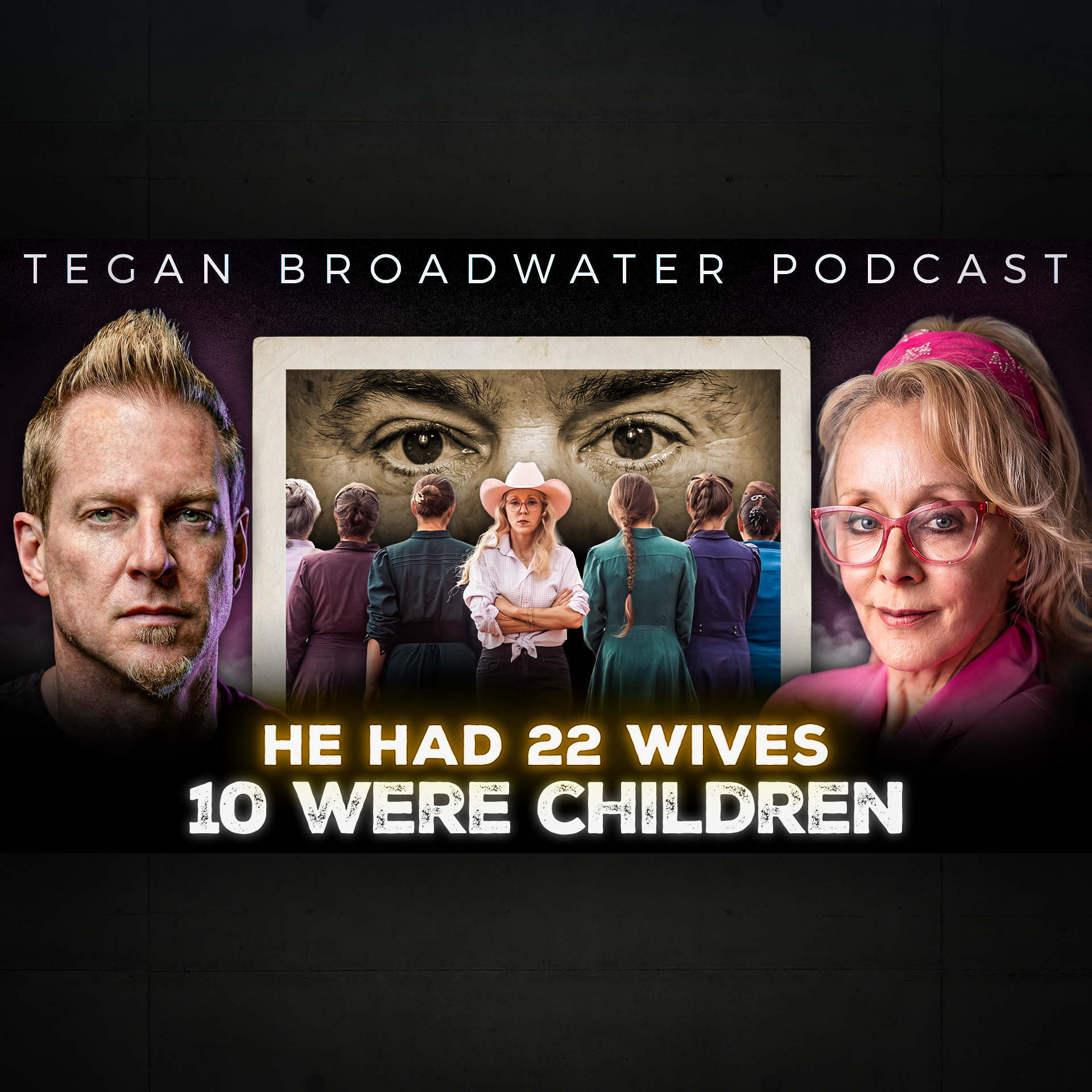
[01:17:47] Speaker A: So he goes to the business meeting, and he came back, and he reported that he told everybody at the meeting that he was wearing a $15,000 jacket, of course. And that he told him that he had 22 wives.
[01:18:00] Speaker B: And I'm like, in a business meeting, full of people that aren't polygamists with a woman CEO.
[01:18:09] Speaker A: And he killed the deal.
Surprise, he said. Her eyes glazed over. And I'm thinking, why would you go to a meeting like that and announce how much money you've wasted on personal vanity when they're about to give you a check and want that money to go to a good place?
And why would you tell them how many wives you have as if that they would be impressed? You know, ultimately, one of his guys, Maroni, went back and saved the deal.
But Sam blew it. Sam blew it.
[01:18:47] Speaker B: And he seemed clunky and it was, you know, watching the thing. It's hard to laugh.
[01:18:55] Speaker A: Yeah.
[01:18:56] Speaker B: Only in retrospect can you think back. That was the only time I remember actually laughing was watching him dart around.
When your husband asked, how did you learn how to hike like this? Like, you're so magnificent, and he's just so obviously not athletic and everything else, but you just kept pushing that. That it. It just seemed humorous. But it's. It was tough to laugh at because he really bought into his own thing.
[01:19:20] Speaker A: It was such a dark period every day.
So, so dark.
And the horrible things we would learn or imagine.
So when there was a moment when Toga, who's naturally. He's hilarious, naturally, when he would do something and I would laugh, I needed it.
[01:19:44] Speaker B: Yeah.
[01:19:45] Speaker A: Yeah.
[01:19:46] Speaker B: It also amazes me that. So you are running into. You're trying to file a case. You know, once you find this stuff out, I don't want to tell your story for you, but once you. Upon discovering, you know, there are little girls as. As young as 9 years old that are. That are married to him and they're being sexually exploited and all this, you're trying to create cases for law enforcement, and they're just making it so outrageously difficult.
And I've run into this same problem only on cases that have a hundredth of the weight that yours did, but, you know, where I basically have to create the case and write the probable cause and everything for him and say, can you just forward this email please to the district attorney?
I can't imagine the feeling that you had, though, and I'd love to know how you managed. First of all, being back in an environment like that, having been through so much trauma, you just finding your footing again, and you get into something that you didn't expect to and now are deep in it, watching abuse happen and experiencing law enforcement dragging their feet or blowing you off and. And then having to stay in it. How do you. How do you mentally stay in A positive mindset and, and keep moving forward when, you know, every day is just making you darker and the people that you're around darker. How do you do that?
[01:21:17] Speaker A: Well, I did go into therapy over, over this, but one of the, one of the themes, maybe the main theme was living this double life.
I couldn't handle it very well.
But how to not stay in that darkness wasn't that easy. I was crying all the time.
I mean, I had. I have animals, so I have my own little emotional support farm. Kind of.
[01:21:50] Speaker B: Chihuahuas.
[01:21:51] Speaker A: Yes, that's what my son calls them. Is it Chihuahuas?
[01:21:55] Speaker B: Your son must be very smart.
[01:21:58] Speaker A: And yes, I have Chihuahuas. I have a draft horse, a miniature donkey, miniature cow, chickens, sheep, you know, Great Dane. Toga has a Great Dane. We have a million cats, chickens. Yeah.
[01:22:11] Speaker B: Love it. And those, did you have them with you? Some of them with you. I know you had your dogs, right?
[01:22:17] Speaker A: I definitely had the animals. The, the documentary doesn't make it so clear there are animals in it, but those are my animals.
[01:22:24] Speaker B: Yeah. And, and they were therapeutic.
[01:22:26] Speaker A: They were so therapeutic. They were great. That was a great way. I also had some great friends in town, flds, women who were incredibly supportive. They couldn't get involved with them because they had daughters and they wouldn't even go there, but they were supportive to me. They did the best, sweetest things. Sometimes when I was, when it was too much, they would like, bring me dinner, rub my shoulders, help feed the animals, take me a coffee, show up with a matcha drink.
I mean, they were just trying to be as supportive as they could without interfacing with the darkness themselves.
[01:23:06] Speaker B: Yeah.
So a lot of. Did a lot of other people know the same things you did in terms of those friends and those periphery people?
[01:23:16] Speaker A: My close group knew a lot, but there was a lot I couldn't say once I became official with the FBI.
[01:23:24] Speaker B: Okay.
[01:23:24] Speaker A: But when I recorded a tape of Sam confessing the crimes that he did, I told my close knit friends about it and they knew how frustrated I was when it wasn't being acted on. Wasn't being acted on.
You know, so they were.
Yeah, they were in the loop.
[01:23:48] Speaker B: So you eventually had to move on from law enforcement, local law enforcement that was obviously worthless and, and got the FBI's attention. And the agent's name escapes me, but I know that she was Don. Yeah, I know that she was quite grateful for having been included in this. How did, how did that performance compare to the other law enforcement experiences you've had?
[01:24:14] Speaker A: Oh, it was night and day, Don. From the moment I met her, was on it.
She had the eye of the tiger, and she wanted him taken down as badly as I did.
So not a day went by when we weren't making progress.
She would need evidence. And by this time, I had Julia Nflds woman who had come forward and found the courage to speak up, I mean, at the peril of her life.
[01:24:57] Speaker B: Right.
[01:24:57] Speaker A: So she is the real hero in
[01:24:59] Speaker B: this story, which is not made clear in the documentary either, that murder was an option. Had you. Had you. They been discovered. Right.
[01:25:08] Speaker A: Correct. Murder was being planned, and it was an option even aimed at Julia and me and Tolga.
Because one time I said to Sam, who was talking about this godly, justifiable type of murder, which they call blood atonement. And it was a belief that the blood of Jesus didn't cover all sins. Some sins are so bad that. That you have to have your own blood spilled in order to be forgiven, to go into eternity in a good place.
So I asked Sam. He was teaching it all the time. So I asked him, who qualifies for blood atonement? And he looked me straight in the eyes and said, anybody who knowingly goes against the prophet, I thought, well, that would be me.
You know, wait till you find out.
[01:26:06] Speaker B: Don't think that out loud.
[01:26:08] Speaker A: Yeah, yeah. So we were all at risk.
[01:26:12] Speaker B: And Julia. But Julia stepped forward because you had finally gotten her to speak a little bit now. And you say she went forward.
She was making statements that were funneled to the FBI agent.
[01:26:23] Speaker A: Yes, yes. At first she was making them to me because she wasn't.
And I was recording them with her permission, because she was afraid of law enforcement, because for many reasons in the flds.
Right.
But then she got the courage to speak directly to Dawn.
So we were. From then on, we were just moving like a machine, getting birth certificates, passports, pictures of the weapons, all kinds of things that were needed.
And I would say that dawn moved at the speed of a freight train.
A bullet train. Yeah, yeah.
[01:27:03] Speaker B: Compared to zero miles an hour, though.
[01:27:05] Speaker A: Yeah, yeah, yeah.
[01:27:07] Speaker B: It seemed like she was. And again, that's why I say I hate to make blanket statements on law enforcement. And I was once law enforcement, and I was the guy that liked to hustle stuff like this. Like I said, that's why I don't. I don't get it. I don't understand how somebody couldn't just ravish the idea of, oh, this is going to be a great opportunity to break a big case and work hard and do something for good. I mean, why else Are you in that job?
So that's great to hear that she did so well, because I know she felt really good about that experience, too.
[01:27:40] Speaker A: And you know what else?
She was there for me as a friend.
I mean, because I was doing a lot of crying and a lot. I was getting attacked also in the town by people who didn't realize that we were on the good side.
Right.
And by people, social media influencers making preposterous claims against us anyway.
But more importantly, I would just be filled with anxiety and sometimes panic attacks, and I'd call her, and no matter when I called, she would answer and be there for me and remind me, it's going to be worth it. It's going to be worth it. You know, I was so. I was suffering over the. Over knowing that the women and girls were all going to hate me because I love them so much, and to know that they would hate me really killed me, and I didn't want to add to their suffering.
So that just.
And she just kept saying, it's okay.
You know, in 10 years, when they're. If they wake up, they're going to be thankful. It's worth it, you know, so that was rough. She helped me through that.
[01:28:52] Speaker B: And that is rough because I know you had two things that kind of paralleled my experience, too, and that is one, your undercover Persona was natural because you kind of just morphed into it. It's not like you showed up with a separate identity and, you know, did this thing where you could actually separate the actions that you took from your emotional self. You were yourself the whole time and dealing with the. The pain of knowing that you're going to betray a lot of these people. And, you know, but you are literally the only one that knows that it's true in your mind that you do care for these people and that. That you're it. That's it. If they don't believe you, then you have to just deal with the pain that you caused, even though it is for the better good. It's the only thing that. That keeps you going right, Is just your North Star. Is that. Is that accurate for you?
[01:29:48] Speaker A: It is.
I am blessed, though, because I do have a relationship with some of the underage girls that, you know that are so grateful. So grateful. And they wanted this story to come out, but also, you know, gnomes, one of Sam's wives who is the first wife to publicly speak against him, and her and Miretta were the only two adults that testified against him at the trial.
Strong women.
So I have you know, relationships with them, as well as somebody named Mikel, who's here in LA with us and Noms and, you know, we.
So I have my friend. Some of the people who I helped get away from Sam are wonderfully close to me and grateful. And that's nice.
[01:30:53] Speaker B: That's awesome. Yeah. And now it's been a little bit. And you're gonna. You're gonna accrue more people that will understand you later, but if you don't too. That's just part of it. But again, you didn't ask for it, but you did make the impact. You went. You set in, because ultimately, with the help of the FBI directing you into, hey, this is what we need for evidence, they were able to come in and raid the place. Right. And then I was curious about how you experienced the girls, the smaller girls. I mean, there's a lot more to the story. I'll encourage people to watch the documentary and follow you. But when the smaller girls were first taken, they were defiant and wanted to stay married, which sounds ludicrous again, to a person who hasn't had these experiences.
But once they. They were essentially kidnapped and then brought back into custody, but separated from the people that were influencing them, they started coming around a lot quicker. That was at least the. The implication that was given. Do you. Do you have any idea how some of those people came around? Was it just. Were they put back with some of their families or with counselors or. How did that. How did they kind of come around and recognize what was going on so quickly?
[01:32:18] Speaker A: Originally, they were put in a group home where they were all still thinking in groupthink.
[01:32:24] Speaker B: Right.
[01:32:24] Speaker A: Which frustrated me. Why would you do that? They treated them like a sibling group that had come out of abuse. But, no, you had some of the stronger personalities of the sister wives. Even though they were underage, they still were.
I mean, sometimes even aggressive to the other ones, making sure everybody complied so they couldn't wake up when they were all together. It wasn't until they separated them that they started being able to think for
[01:32:56] Speaker B: themselves, which is fascinating, too. But then again, they didn't have a half of a lifetime like you did to unindoctrinate. Yeah, but just being separate from the group, you think was. Was the key for them?
[01:33:10] Speaker A: It was.
And I think that the foster parents were, you know, exposing them to other things. And now they're watching TV and they're going to public schools and they're realizing, you know, this is not normal, what we've been through.
[01:33:26] Speaker B: How. How did your family Take all this during the. During your dark times and now, can you kind of give a brief description of how your. Your children and everybody have. And your husband, obviously, is taking this trip with you, but your kids and everything, how were they before and now, comparatively?
[01:33:47] Speaker A: So my children didn't have any direct effects from my experience, because they were in safe places.
So the only impact that they had is they had a little less time with me, but I would still communicate and go see them against the prophet's wishes.
So when we reunited, the hard thing was that I did deal with a lot of dissociation from my trauma. And so, like, if I was driving and not paying attention, I mean, I'd pay attention to the road, but not pay attention to what they were saying.
They would know. They would say, mom, what are you thinking about?
Or if I was in the kitchen, and they would always know that I was in my flashback world or trauma world or something like that.
So they dealt with that. But we're all very close. They're all thriving in their different ways. And I have a daughter that has a podcast also called Trust Me, which is where the director got the idea for the name of the docu series.
[01:35:05] Speaker B: Wonderful.
[01:35:06] Speaker A: Yeah. So. And she's the one that did this, the theme song, Trust Me, for the docu series.
So they're all incredibly supportive and thrilled,
[01:35:17] Speaker B: and they're creatives like their mama.
[01:35:19] Speaker A: They are, in their own ways, one of. One of my.
I have a son that's a school teacher in Norway. I have a son that's a software engineer, but really good at it.
[01:35:31] Speaker B: Wow.
[01:35:31] Speaker A: Then I have a daughter that is a singer, songwriter, podcaster, and director living right here in this town, in la.
And then I have a son that lives with me.
[01:35:44] Speaker B: So they were young enough during some of those tumultuous times to not have a direct effect on your emotional self at the time.
[01:35:53] Speaker A: Correct. It didn't have a big setback on them or anything like that.
[01:35:57] Speaker B: That's awesome.
[01:35:57] Speaker A: Yeah. So lucky.
[01:35:59] Speaker B: Where are you. Where are you taking this now? I mean, now that you have your degree, are you practicing anything? Are you trying new projects? What do you. I mean, you gotta be up to something, right?
[01:36:07] Speaker A: Yeah, I'm up to a lot of things. I. We still live in the same town.
That always surprises people. I'm not sure why I went there to help people, and I'm still gonna keep doing that.
I still am an advocate and help a lot of people, but I do writing.
I'm starting public speaking, like writing.
[01:36:33] Speaker B: And I don't mean to interrupt you. I'm sorry, but so articles, books, books.
[01:36:38] Speaker A: I have a memoir coming out.
[01:36:40] Speaker B: Awesome. Okay.
[01:36:41] Speaker A: Yeah.
[01:36:42] Speaker B: And public speaking. You've got some gigs lined up for that too.
[01:36:45] Speaker A: Yes, And I have some really sweet projects in the works.
And I hope to stand for increasing empathy and kindness in the world, because if you can stand up for the underdog, if you can find the courage, you might become that safe person when they're in need.
[01:37:08] Speaker B: Takes a special person.
Takes a special person.
And I appreciate the fact that you're that person. You've done a lot of good for a lot of people. And I hope people will now understand kind of the context in which these things are born. And it takes down normal, intelligent people a lot of times.
[01:37:26] Speaker A: Really does. And if you see somebody in this situation, I just recommend love them.
Don't judge them.
Ask them what they.
What they love about their religion or their leader.
Start the communication. Don't be the enemy.
Don't be an enemy with people that you have differences with. You're on a different political path. Love them anyway. This constant attacking each other makes people vulnerable to find a group where they might belong or to become radicalized. So be a kind and empathetic person, even if you disagree and even if they're different from you.
[01:38:11] Speaker B: One last little tag question that I told you earlier I was going to ask and I almost forgot, but I'm a dude and I have a great appreciation for you sitting here under the circumstances, also sharing with me. And I know it would be easier to share with somebody who maybe had some similar experiences, a female, whatever. So I appreciate that greatly, by the way.
But what are some things that men in general, what are the knuckle draggers miss most about the things that you're trying to change or telling the story or whatever, because the guy's perspective always seems to be so different. Is there something that men. We have a large men audience. Is there something that they could take from this that a lot of guys tend to miss or just not understand?
[01:38:55] Speaker A: Well, one thing that's important to me is that I could not have done this without the support of my husband.
He was there for me. He gave up his glamorous career to be at my side and be my protector. I mean, he would still go do music videos and fashion photography, but just here and there. And he, for once, I mean, he let.
He was my rock that I could stand on to do all these things.
So that's one thing. When it comes to women, it's important to understand that they make decisions Based on the experiences that they've had.
It's not illogical. It's not necessarily emotional. It's very ineffective to assume that women are driven by emotion because we are all driven by emotion in different ways.
But I would say ask questions and be there.
The thing I said earlier, be that safe person. If you have a friend that has been through trafficking, which is it's sexual exploitation through force, fraud, coercion, or even abuse of vulnerabilities and abuse of power, these understand what coercion is and make sure that you're not using coercion in your relationships. If that woman is afraid of you for any reason, there's coercion involved, big problem. Yeah, yeah. Make sure you're not punishing a woman, even psychologically, for decisions that she makes. Don't isolate her from her friends or from the things that you don't agree with.
So coercive control is getting more and more known.
And I would ask all men to look up exactly what that means and do a self inventory to make sure that every. Every woman feels free around them and feels safe.
[01:41:10] Speaker B: Yeah, that's great advice. Yeah. Because like I said, inherently, sometimes men could just take on that type of Persona or feel jealous or write an ego or whatever. And yeah, checking yourself is a great way to do it. We all want to be Mr. Facts. Then go get your Mr. Facts first and then support. And I love the teamwork, too. I've got a lot of success stories to tell that only involve having a wife by my side, too. So, yeah, it's. It's great to hear the teamwork. All right, well, I have. I have a little gift for you that I didn't leave within reach. So hang on one second. There's a couple things. So not everybody drinks whiskey. I don't know how much whiskey you drink, but this is actually special because Blackland is from Fort Worth, Texas, and this has been their most popular one. It's actually a blend. It may as well be a mixed drink. It's wonderful.
[01:42:01] Speaker A: Really.
[01:42:01] Speaker B: So, yeah, if you and your husband are hanging out one night and want to break it open, then I'd be honored to hear what you think of that.
[01:42:09] Speaker A: Awesome.
[01:42:09] Speaker B: But it's got Texas pecan in it and all kinds of stuff. So. It's a dark flavored sweet whiskey, but I think you'll like it.
Then lastly, this is my book. If you ever fly back home, you can read it on the airplane. It should be a quick read.
[01:42:25] Speaker A: I wanted this.
[01:42:26] Speaker B: Well, excellent.
[01:42:27] Speaker A: I read about it and I thought, oh, I gotta get that. Thank you so much. This is awesome.
[01:42:31] Speaker B: It's been absolute honor to have you here, so thank you so much for being here.
[01:42:34] Speaker A: Thank you so much.